Creating your own tattoo design starts with clarifying your personal meaning, sketching loose concepts, and preparing organized references for your tattoo artist. The process typically takes two to six weeks from initial idea to final artwork. Most first-time clients underestimate how much collaboration shapes the finished piece. Your job is to bring the vision. The artist translates it into skin-ready art.
Custom tattoos carry deeper significance than flash designs. They tell your story in permanent ink. Yet turning abstract ideas into clean, lasting artwork requires specific knowledge. You need to understand line weight, placement, and how designs age over decades.
In this blog, we will explain how to make your own tattoo design and prepare it for professional execution. You will learn sketching techniques, style selection, and how to collaborate with Brooklyn artists.
Finding Inspiration and Defining Your Tattoo Concept
Every meaningful tattoo begins with a clear concept. This foundation shapes every decision that follows. Rushing this phase leads to regret. Taking time here creates tattoos you love for life.
Clarifying Meaning, Symbolism, and Personal Motivation
Start by asking yourself why you want this tattoo. Write down three to five words that capture its essence. Consider what life experiences, relationships, or beliefs drive this decision. Personal motivation creates tattoos with lasting emotional value.
Symbolism adds layers of meaning to visual elements. A compass might represent guidance during difficult times. A specific flower could honor a loved one. Document these connections in a notebook or digital file. This clarity helps your artist understand your vision deeply.
Identifying Core Visual Elements and Themes
Break your concept into specific visual components. List the primary subject, supporting elements, and background details. A memorial tattoo might include a portrait, birth flowers, and meaningful dates. Keep your list focused on three to five core elements maximum.
Too many elements create cluttered designs. They compete for attention on skin. Prioritize what matters most. Let secondary ideas become future tattoos instead.
Creating a Mood Board for Style and Direction
Gather fifteen to twenty-five reference images that capture your vision. Use Pinterest, Instagram, or a physical folder. Include tattoo examples, fine art, photography, and textures. This collection communicates your aesthetic preferences visually.
Organize images by category. Separate style references from subject matter examples. Note what specifically attracts you to each image. Is it the line quality, color palette, or composition? These details guide your artist toward your ideal outcome.
Sketching and Structuring Your Tattoo Design
You do not need professional drawing skills to sketch tattoo concepts. Rough sketches communicate ideas effectively. Your artist will refine the artwork professionally.
Starting With Loose Concept Sketches
Grab paper and pencil. Draw your ideas quickly without judgment. Focus on placement of elements rather than perfect execution. Create five to ten variations in one sitting. Speed prevents overthinking and reveals your instincts.
Use simple shapes to represent complex subjects. A circle becomes a face. Triangles suggest mountains. These placeholder shapes show composition and balance. Your artist interprets these rough guides into polished artwork.
Exploring Multiple Layout Variations
Experiment with different arrangements of your elements. Try vertical, horizontal, and diagonal compositions. Test symmetrical versus asymmetrical balance. Each layout creates different visual energy and emotional impact.
Consider negative space as an active design element. Empty areas give the eye rest. They prevent designs from feeling cramped. Brooklyn artists often emphasize breathing room in custom work.
Building the Design in Clear Visual Layers
Organize your sketch into foreground, midground, and background layers. Primary subjects belong in front. Supporting elements sit behind. This depth creates visual interest and guides the viewer's eye.
Layer separation also affects tattooing technique. Artists approach each layer differently. Clear layer structure in your sketch helps them plan the session. It ensures proper contrast between elements.
Technical Design Principles That Affect Tattoo Longevity
Tattoos change over time. Skin stretches, sun exposure fades ink, and fine details blur. Understanding these realities shapes better design decisions today.
Line Weight, Contrast, and Aging Over Time
Bold lines hold up better than thin lines over decades. Fine details blur as ink spreads microscopically beneath skin. High contrast between light and dark areas maintains readability. Low contrast designs become muddy with age.
Plan for your tattoo at age sixty, not just today. Ask yourself if the design will still read clearly. Strong outlines and defined shapes age gracefully. Delicate watercolor effects require more maintenance.
Choosing a Size That Holds Detail Long-Term
Small tattoos cannot hold fine detail permanently. Intricate designs need adequate space. A general rule suggests thumbnail-sized elements as the minimum for detail retention. Larger placements allow more complexity.
Discuss size honestly with your artist. They understand how specific designs translate to skin. A design that looks perfect on paper might need scaling up. Trust their technical judgment on sizing decisions.
Color vs. Black and Grey Based on Skin Tone
Skin tone affects how colors appear in healed tattoos. Darker skin tones show bold, saturated colors best. Pastels and light colors may not read clearly. Black and grey work beautifully across all skin tones.
Consider your lifestyle and sun exposure habits. Color tattoos fade faster with UV exposure. Black ink maintains contrast longer. Brooklyn artists can show healed examples on various skin tones during consultations.
Placement, Body Flow, and Wearability
Where you place your tattoo matters as much as the design itself. The body is a three-dimensional canvas with curves, movement, and varying skin textures.
Designing for Natural Movement and Muscle Flow
Great tattoos work with the body's natural lines. They follow muscle contours and bone structure. A design that fights anatomy looks awkward. One that embraces it appears intentional and elegant.
Consider how the area moves during daily activities. Inner arm tattoos twist and flex constantly. Shoulder pieces shift with arm movement. Your artist can adjust designs to complement these dynamics.
Scaling the Design to Fit Specific Body Areas
Each body area has unique proportions and limitations. Forearms are long and narrow. Chest pieces span wide but shallow spaces. Your design must adapt to these constraints naturally.
Bring your concept to consultations without rigid size expectations. Let your artist recommend optimal scaling. They see how designs fit bodies daily. Their spatial judgment prevents awkward proportions.
Visibility, Lifestyle, and Personal Comfort
Think about who will see your tattoo and when. Professional environments may require covered placements. Highly visible tattoos invite constant questions and attention. Choose visibility levels that match your comfort.
Consider pain tolerance for sensitive areas. Ribs, feet, and inner arms hurt more than outer arms or thighs. First tattoos on painful spots can create negative associations. Start with moderate areas if you are new to tattooing.
Choosing a Tattoo Style That Matches Your Idea
Tattoo styles are not interchangeable. Each has specific strengths, limitations, and aging characteristics. Matching your subject to the right style creates cohesive, lasting artwork.
Understanding Major Tattoo Style Categories
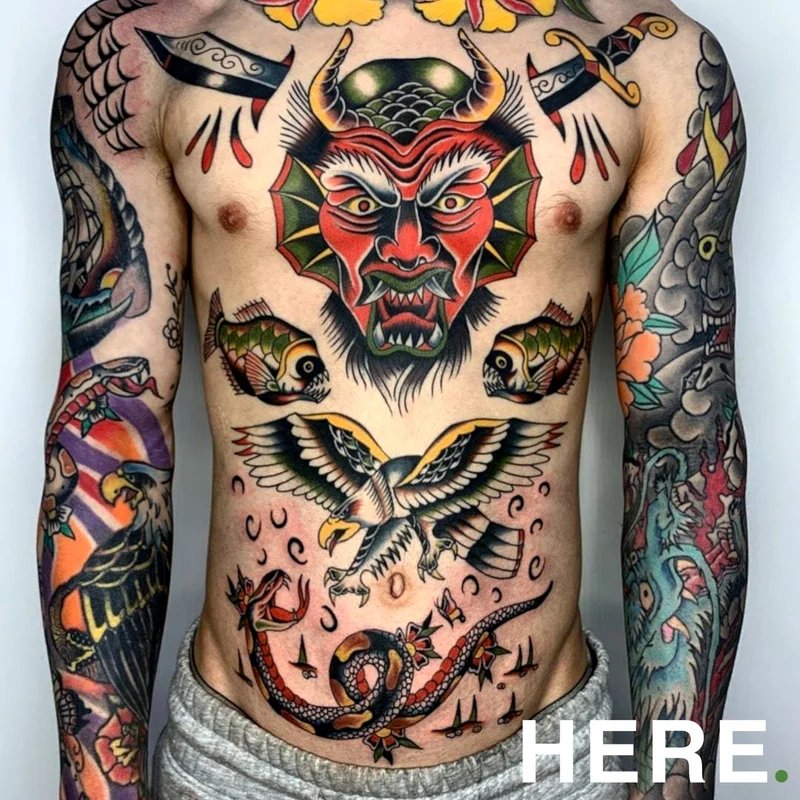
Traditional American features bold outlines, limited color palettes, and iconic imagery. Realism captures photographic detail through careful shading. Japanese style uses specific motifs, backgrounds, and compositional rules. Blackwork emphasizes graphic shapes and solid black areas.
Fine line work creates delicate, detailed pieces with thin needles. Neo-traditional blends classic imagery with modern techniques. Illustrative style mimics drawing and painting aesthetics. Each style requires different artistic skills and techniques.
Matching Subject Matter to the Right Style
Portraits demand realism or stylized approaches. Flowers work across nearly every style. Geometric patterns suit blackwork and dotwork best. Animals adapt to traditional, realistic, or illustrative treatments.
Consider the emotional tone you want. Traditional feels bold and timeless. Fine line appears delicate and modern. Japanese carries cultural weight and symbolism. Your subject and style should reinforce the same feeling.
How Different Styles Age Over the Years
Bold traditional tattoos age most predictably. Strong outlines maintain shape for decades. Fine line work requires more careful placement and may need touch-ups. Watercolor styles without outlines blur significantly over time.
Realism depends heavily on initial execution quality. Poorly done realism degrades quickly. Masterful realism holds detail impressively. Research your artist's healed work, not just fresh tattoos.
Gathering Visual Inspiration Without Copying
Reference images inspire original work. They should never be copied directly. Understanding this distinction protects artists and creates truly personal tattoos.
Using Reference Images Ethically and Creatively
Collect references that show elements you like. Note specific qualities rather than entire designs. You might love the line weight from one tattoo and the composition from another. Combine these qualities into something new.
Never ask an artist to copy another artist's custom work. This disrespects the original creator and their client. It also produces inferior results. Your artist cannot replicate another person's hand perfectly.
Combining Influences Into an Original Concept
Pull inspiration from multiple sources outside tattooing. Fine art, architecture, nature, and textiles offer fresh perspectives. Combining unexpected influences creates unique designs. Your artist can synthesize these references into cohesive artwork.
Describe what draws you to each reference. Saying "I like the movement in this piece" helps more than "copy this." Your artist interprets your preferences through their unique skills. The result feels personal to both of you.
Understanding Copyright and Artist Ownership
Custom tattoo designs belong to the artist who created them. You own the tattoo on your body. You do not own reproduction rights to the artwork. This distinction matters for sharing images online.
Respect intellectual property in the tattoo community. Artists build reputations on original work. Copying damages their livelihood and the industry. Brooklyn's tattoo community values originality and creative integrity highly.
Preparing Your Design for a Professional Tattoo Artist in Brooklyn
Proper preparation makes consultations productive. It shows respect for your artist's time. It also increases the chances of getting your ideal tattoo.
Organizing Reference Images and Final Sketches
Create a single folder with your best references. Include ten to fifteen images maximum. Label each image with notes about what you like specifically. Remove duplicates and low-quality images.
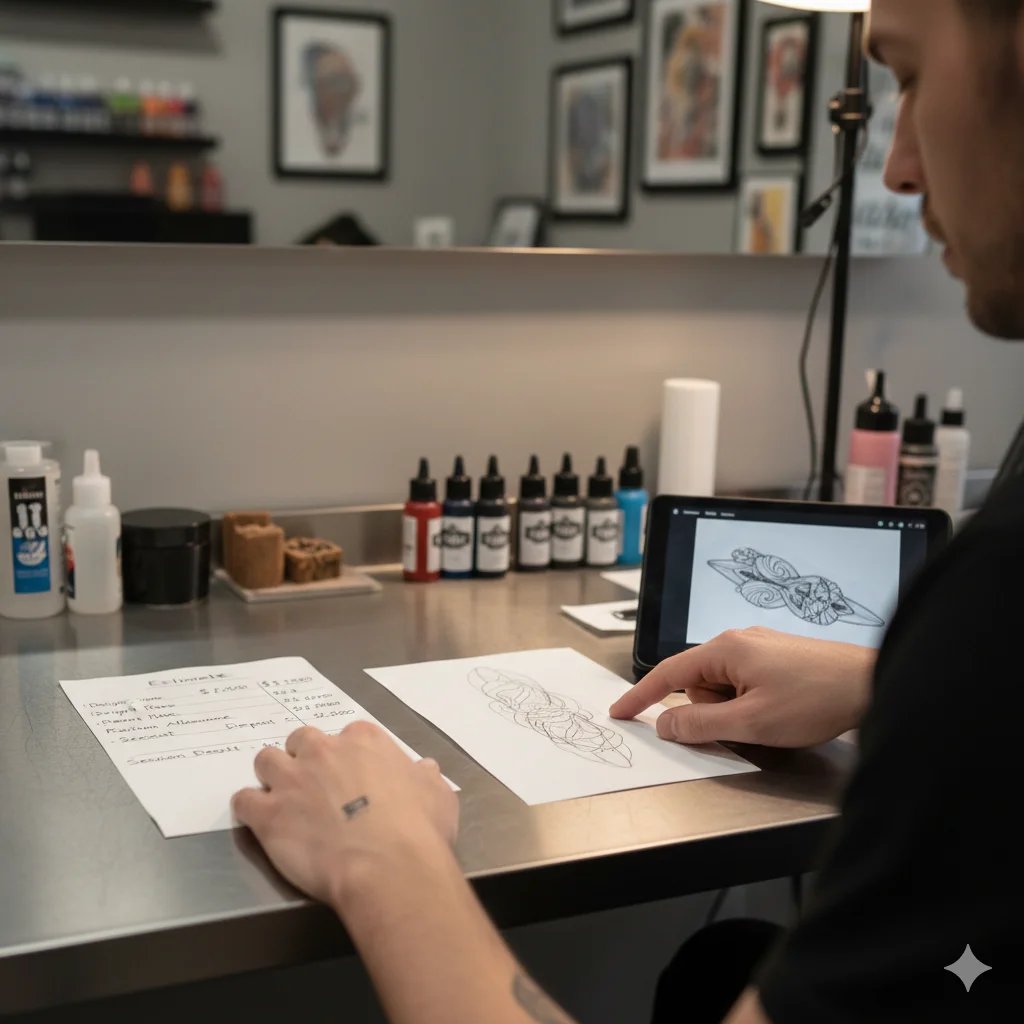
Bring your concept sketches even if they feel rough. Artists appreciate seeing your spatial thinking. Include written notes about meaning and symbolism. This complete package communicates your vision efficiently.
Understanding What Artists Will Refine or Redraw
Expect your artist to redraw your concept professionally. They translate ideas into tattoo-ready artwork. This process considers needle limitations, skin behavior, and technical requirements. Your sketch is a starting point, not a final product.
Trust the refinement process. Artists see problems you cannot anticipate. They know what works on skin versus paper. Their changes improve longevity and visual impact.
Being Open to Technical and Artistic Feedback
Listen when artists suggest modifications. They might recommend size changes, element removal, or style adjustments. These suggestions come from experience with thousands of tattoos. Resistance often leads to regret.
Ask questions about their recommendations. Understanding the reasoning helps you make informed decisions. Good artists explain their thinking clearly. Here Tattoo prioritizes this educational approach with every client.
Cost, Timing, and Design Expectations in Brooklyn
Brooklyn tattoo pricing reflects artist skill, shop overhead, and design complexity. Understanding these factors prevents sticker shock and sets realistic expectations.
How Design Complexity Affects Tattoo Pricing
Simple designs with minimal detail cost less than complex pieces. Color work typically costs more than black and grey. Realism requires more time than traditional styles. Custom designs include drawing time in the price.
Most Brooklyn artists charge hourly rates or flat fees for specific pieces. Hourly rates range significantly based on experience and demand. Discuss pricing openly during consultations. Reputable shops provide clear estimates before booking.
Typical Timeline From Concept to Tattoo Day
Allow two to six weeks from consultation to tattoo appointment. Popular artists book further out. Complex custom designs need more drawing time. Rush requests rarely produce the best results.
The timeline includes consultation, deposit, design drafts, revisions, and scheduling. Each step matters for quality outcomes. Patience during this process pays off in the final tattoo.
When to Let the Artist Lead the Design Process
Sometimes the best approach is bringing your concept and trusting your artist completely. Experienced artists create their strongest work with creative freedom. Micromanaging every detail limits their abilities.
Consider booking artists whose portfolio matches your vision closely. Then let them interpret your concept through their style. This collaboration often produces tattoos that exceed expectations. It honors both your story and their artistry.
Key Takeaways
- Start with clear personal meaning before any visual development
- Create mood boards with fifteen to twenty-five diverse reference images
- Sketch loose concepts focusing on composition, not perfection
- Choose styles that match your subject and age well over time
- Design for your body's natural curves and movement patterns
- Never copy custom work; combine influences into original concepts
- Prepare organized references and remain open to artist feedback
Conclusion
Designing your own tattoo combines personal reflection with practical knowledge. The process rewards patience, research, and honest collaboration. Your preparation directly impacts the final result on your skin.
Here Tattoo guides Brooklyn clients through every stage of custom design. We help translate your concepts into artwork that lasts beautifully. Our collaborative approach ensures your vision and our expertise merge seamlessly.
We invite you to bring your ideas to our studio. Together, we create tattoos that tell your story with technical excellence. Your meaningful design deserves professional execution.
FAQs
Do I need to know how to draw to design my own tattoo?
No drawing skills are required. Rough sketches showing element placement communicate effectively. Your tattoo artist redraws concepts professionally. Focus on ideas rather than artistic execution.
How many reference images should I bring to a consultation?
Bring ten to fifteen well-organized images. Include notes about what specifically attracts you to each. Too many references overwhelm the conversation. Curated selections communicate your vision clearly.
How long does the custom design process typically take?
Most custom designs take two to six weeks from consultation to appointment. Complex pieces or busy artists may require longer timelines. Rush requests compromise quality and should be avoided.
Can I get a tattoo of artwork I found online?
You should never copy another artist's custom work directly. Use online images as style references only. Combine multiple influences into original concepts. Respect intellectual property within the tattoo community.
What size should my first tattoo be?
First tattoos work well at palm-sized or slightly larger. This size allows meaningful detail without overwhelming commitment. Smaller pieces limit design complexity. Discuss sizing with your artist during consultation.
How do I know which tattoo style fits my idea?
Research major style categories and their characteristics. Match your subject matter to styles that enhance its qualities. Review artist portfolios in your preferred style. Consultations help clarify the best approach.
Should I let my tattoo artist change my design?
Yes, remain open to professional modifications. Artists suggest changes based on technical knowledge and experience. Their adjustments improve longevity and visual impact. Trust their expertise while communicating your priorities.