How to Choose the Ideal Design and Placement for Your Next Tattoo
Thinking about getting a tattoo? It’s a personal choice that mixes your style, meaning, and planning. Here’s a guide to help you make a decision you’ll be happy with—from trends and placement ideas to artist collaboration and aftercare tips. Dive in to explore research, checklists, and stories that can help you pick a tattoo you’ll love for years.
We’ll cover trends like fine line surrealism and pastel inks, share stats about tattoo popularity and placement, and offer planning tools. If you’re into delicate designs, check out our fine line tattoos for inspiration. Whether it’s your first tattoo or an addition to your sleeve, this article is your go-to guide.
We also share resources on safety and removal for an informed decision. For a deeper look into tattoo history and culture, visit the Wikipedia entry on tattoos.
Why Design and Placement Matter
Personal Significance and Longevity
Your tattoo can be more than just decoration; it can symbolize a memory, milestone, or personal belief. Choosing a meaningful design increases the chances you’ll love it for a long time. Surveys show that many people select tattoos for their significance. Align your design with values or life events, and it’s likely to stay relevant as you grow.
Think about whether your chosen symbol will age well with you. A personal motif—like a word, date, or stylized portrait—can adapt to different artistic styles as your taste evolves. If trends worry you, blend a timeless symbol with a modern twist to keep it fresh.
Also, consider emotional durability. A design that reminds you of resilience or goals can stay meaningful longer than something trendy. Plan for a design that tells your story, not just what’s in vogue. Your artist can help ensure it’ll stand the test of time.
Aesthetic Impact and Body Flow
Where you place your tattoo affects how it moves and fits with your body. Some designs look best along muscle curves or bones, while others need a flat area. Good placement makes the tattoo seem like it belongs rather than being pasted on.
Think about scale and space: a small, detailed piece might get lost on a large area, while expansive designs need room to shine. Your artist will suggest placements that let the design breathe and match your proportions.
Also, consider how it looks in motion. Tattoos on joints or stretchy areas can distort images, but smart placement can make movement part of the art.
Social and Professional Considerations
While workplaces are getting more tattoo-friendly, think about visibility and professional settings when choosing placement. Forearms and hands are visible and can impact first impressions, while areas like the rib cage or upper thigh stay private. If you work in a conservative field, consider spots that are easy to cover.
Balance your self-expression with practicalities. If you might attend formal events or job interviews where visible tattoos matter, choose placements that are easy to hide, like the upper back or torso. Or go for a small, discreet tattoo that hints at personal style without dominating your look.
Remember, attitudes shift, and some people choose visible tattoos to reflect their identity or career. Talk to your artist about how visibility might affect your career and social life.
Current Trends and How to Use Them
Fine Line Surrealism: Subtle and Dreamlike
Fine line surrealism mixes delicate lines with dream-like elements, creating tattoos that feel modern and personal. Think melting clocks or minimalistic landscapes that tell a story subtly. These tattoos are popular because they’re artistic yet understated.
If you like detailed and symbolic art, explore this trend. Find an artist skilled in precision inks for thin lines that hold over time. Our fine line tattoos show how minimalism and surrealism can create elegant, meaningful art.
When picking a fine line surrealist tattoo, keep it simple with space and consider a slightly larger size to keep it sharp as your skin changes. Work with an artist experienced in this style for a lasting design.
Soft Pastel Inks: Gentle Color Palettes
Pastel inks in shades like purples, pinks, and teals are catching on for floral and whimsical designs. They create a soft, watercolor-like look perfect for gentle or romantic tattoos. But pastel inks need careful care and may fade faster, so they’re for those ready to maintain them.
Discuss pigment and fade expectations with your artist. Pastels look different on various skin tones, so a test helps finalize the look. Expect touch-ups to keep pastel work vibrant over time.
If you prefer subtlety over boldness, pastels can be ideal—but balance aesthetics with maintenance and sun protection.
Micro Portraits and Statement Typography
Micro portraits—tiny tattoos of loved ones or pets—showcase how artists are mastering realism at small scales. This requires great needle control and shading to capture likenesses. If you want a micro portrait, find portfolios showing this skill and plan for longer sessions despite the size.
Typography is also trending, with bold letters and unique styles for phrases or dates. Lettering tattoos require precision: font choice and spacing affect how they age. Choose custom lettering for your body rather than copying a font.
For both portraiture and typography, collaborate with experienced artists in those niches. Micro realism and bold type can be stunning but demand expertise for longevity and readability.
How to Choose the Right Design for You
Timeless vs Trendy: Finding Balance
Choosing between a timeless symbol and a trendy design depends on why you want the tattoo. Timeless designs—like simple symbols or meaningful dates—offer long-lasting appeal. Trendy designs can be exciting but might feel dated later. Try blending lasting symbols with modern aesthetics you like now.
Ask: will this image still matter in five, ten, or twenty years? If yes, it probably has staying power. If not, consider a smaller piece to test how it feels before going big.
Remember, a well-done trendy design can look timeless if treated with care. A good artist can mix trend elements into a classic composition.
Incorporating Cultural Influences—Respectfully
Global influences are trending; people are mixing Polynesian, Japanese, Nordic, and Aztec motifs for rich tattoos. Fusion can be beautiful, but respect is key. Research the symbol’s meaning, and if it’s sacred, seek permission from that culture.
Respect includes discussing origins with your artist and ensuring the design isn’t a direct copy of sacred symbols. Many artists can suggest motifs that honor the aesthetic without misrepresenting cultural significance.
Ask questions and do research. A thoughtful design that acknowledges cultural roots leads to a more meaningful tattoo.
Working With Artists for a Custom Design
Collaborating with an artist can turn a good idea into a great tattoo. Custom design services let you share stories, styles, and placement to create a tailored piece. Consider booking a consultation with reference images and your design’s emotional context.
Our custom tattoo design process matches clients with artists who sketch concepts until you’re aligned. During consultations, ask about line thickness, shading, and how the design will age on your chosen spot. Request mockups to see size and orientation before getting inked.
Design collaboration lets skilled artists ensure composition and longevity. Trusting the process often leads to a satisfying tattoo experience.
Placement Guide: How to Choose the Best Location
Visibility, Lifestyle, and Career
Placement should match your preference and lifestyle. If you want a private tattoo, choose areas like the ribcage or upper thigh. If visibility matters, forearms and calves are great. Many prefer forearms for their balance of visibility and coverability.
Consider how often you’ll need to hide the tattoo for work or events. If unsure about career needs, a visible yet concealable spot like the inner forearm can work well. Plan for clothing and movement when thinking about long-term visibility.
Discuss lifestyle habits—exercise, sun exposure, and job tasks affect longevity and fading. Certain areas see more friction and exposure, influencing healing and aging.
Skin Movement, Aging, and Anatomical Considerations
Different body areas age differently. Spots that stretch or face friction, like hands and feet, often blur or fade faster. Areas with thin skin, like the collarbone, hold detail well initially but may wear faster. Understanding your anatomy helps choose a spot that preserves the design.
Your artist can assess contour and skin texture for advice on line thickness, shading, and scale. For detailed designs, pick areas with stable skin and minimal movement. Larger tattoos work well on moving areas, as they don’t rely on detail to look clear.
Consider future changes like weight or pregnancy, which can alter proportions. Choose a placement less likely to be affected or plan for adaptable design elements.
Pain Levels and Healing Factors by Area
Pain tolerance varies, but some areas are known to be more sensitive. Ribs, sternum, and areas over bone can hurt more; fleshy areas like the upper arm tend to be less painful. If pain worries you, start with a less sensitive spot or break sessions into parts to manage comfort and healing.
Healing also varies by location. Areas with movement or clothing friction can take longer to heal. For instance, hand tattoos often face soap, water, and sun, complicating recovery. Follow aftercare instructions based on placement to prevent issues.
Talk about pain and healing with your artist before booking. Many recommend scheduling sensitive placements when you can rest afterward.
Practical Steps: From Consultation to Aftercare
Preparing for Your Consultation
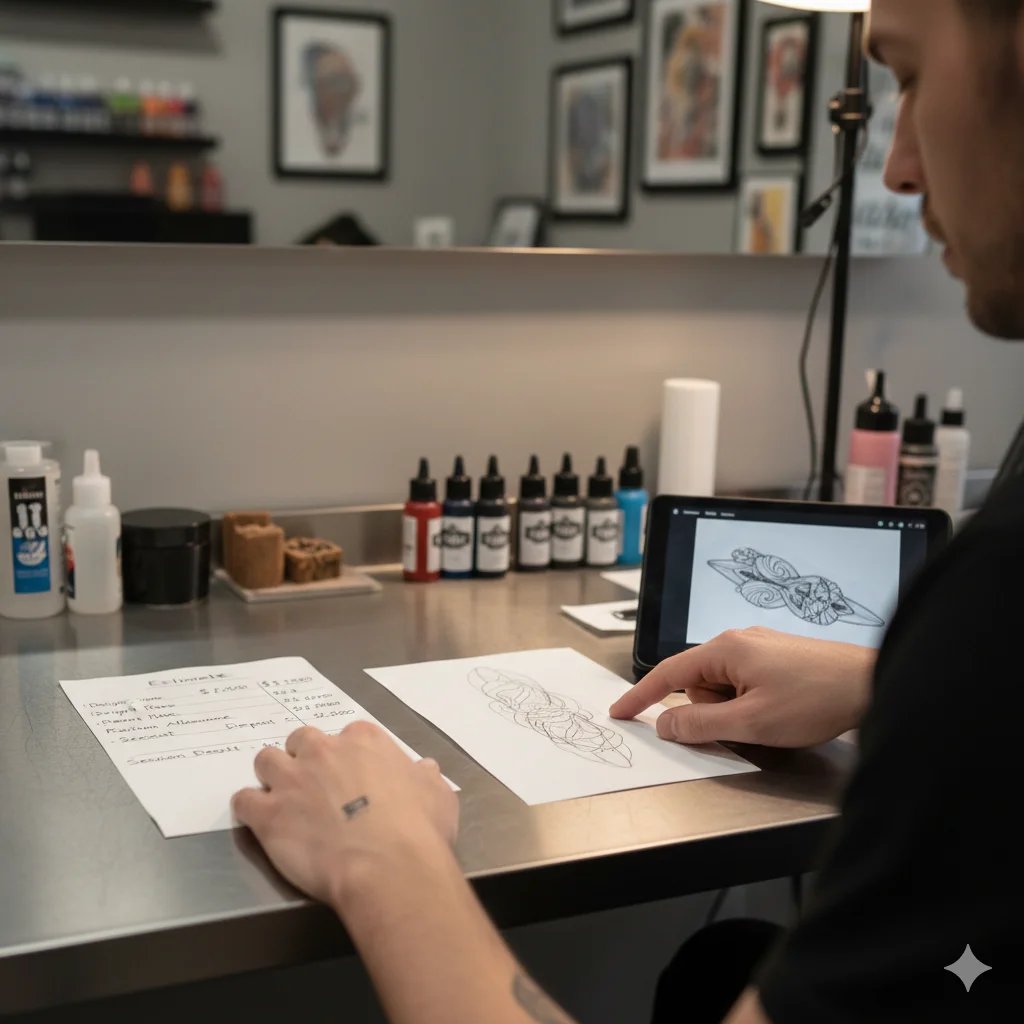
A productive consultation is key. Bring reference photos, symbolism notes, and examples of preferred lines or colors. Be open to your artist’s feedback on size and placement; they’ll know how to best adapt the idea to your skin.
Prepare questions about the artist’s experience, session duration, pricing, and touch-up policies. Discuss allergic reactions or pigment concerns if you have sensitive skin. Clear communication ensures a smooth session with no surprises.
Confirm details like deposit requirements, ID, and arrival time. A clear plan helps your session go smoothly, ensuring the artist has what they need.
The Design Process and Mockups
After your consultation, the artist usually sketches how the tattoo will look on you. This lets you refine details, check scale, and see how it fits your body. Ask for a stencil preview to see orientation and flow before inking.
Mockups help avoid regrets and let you visualize the piece. For intricate tattoos, multiple revisions may be needed to preserve detail. Use this stage to ensure everything feels right before starting.
If it’s a multi-session project, schedule follow-ups to build the piece. Good communication helps manage pain, budget, and healing time.
Aftercare Essentials and Safety Resources
Proper aftercare is crucial for healing and appearance. Follow your artist’s instructions on cleaning, recommended ointments, and avoiding friction. For product guidance, check our tattoo aftercare resources for tips tailored to skin types.
For medical advice, the FDA offers info on tattoo safety and risks; see their guidance at FDA: Tattoos and pigments. These resources help you understand pigment safety.
Keep the area clean, avoid sun exposure, and don’t swim in pools or oceans until healed. If you notice infection signs like redness or swelling, contact your artist and a doctor quickly.
Case Studies: Real-World Examples and Lessons
Minimalist Floral Inner Forearm: Subtle Visibility
One client chose a fine-line floral tattoo on the inner forearm for personal growth representation. The inner forearm offers visibility and concealment with sleeves, making it practical for mixed environments. The artist used bolder lines than hairline to keep details clear over time.
The project took one session with a touch-up after healing. Strict aftercare reduced scabbing and kept the shading intact. This case shows how placement, line weight, and aftercare protect designs.
Takeaway: for fine-line floral work, choose a spot with moderate protection from sun and friction, and discuss line thickness for long-term clarity.
Cultural Fusion Sleeve: Flow and Storytelling
A client wanted a sleeve combining Polynesian geometrics with Japanese waves to honor their heritage. The artist planned the sleeve to follow natural arm contours, with geometric anchors near the shoulder and waves around the forearm for cohesion.
This involved cultural research, respectful motif adaptation, and sketch revisions for symbolism and harmony. The sleeve was finished over several sessions for healing and shading precision. It shows how thoughtful composition and cultural respect create meaningful tattoos.
Lesson: large, cultural projects need time, research, and client-artist communication for respect and success.
Micro Portrait of a Pet: Precision and Patience
For a micro portrait of a pet, the client chose a small collarbone area for easy coverage or display. The artist used high-resolution photos and shading techniques for small-scale fidelity. The session required focus and slowed needle work for fine gradations.
Since micro portraits can blur if too small, the artist suggested a slightly larger size to keep features like eyes clear. The result was a small but recognizable portrait visible from a modest distance. A touch-up was scheduled six months later to reinforce shading.
Advice: for tiny portraits, prioritize artist experience and realistic sizing to keep details clear as the tattoo ages.
FAQs and Troubleshooting
What If I Regret My Tattoo?
Regret is common, but there are solutions. You can consider cover-ups, redesigns, or removal. Cover-ups often look better as they build on existing work. A consultation can show how a new design can transform old ink.
If removal is the choice, dermatologists often use lasers to break down pigment. For a detailed look at removal options and recovery, the Mayo Clinic provides insights at Mayo Clinic: Tattoo removal. Remember, removal takes several sessions and varies by ink and skin type.
Another option is modification: skilled artists can rework or expand an unwanted design into something you like. Talk to your artist about hesitations before deciding, as many regrets can be addressed with creative alternatives.
Will My Tattoo Fade or Blur Over Time?
All tattoos fade a bit, but placement, sun, pigment, and aftercare affect the rate. Areas exposed to sun or friction fade faster, and some colors—especially light pastels—fade quicker. Touch-ups help keep tattoos crisp.
To minimize fading, protect your tattoo from the sun, moisturize regularly, and follow aftercare. Your artist can suggest touch-up timelines based on ink and placement. Planning for maintenance preserves your tattoo’s quality.
Communicate with your artist about fade expectations and maintenance to choose designs that age well.
How Do I Choose the Right Artist?
Picking the right artist is key. Look for a portfolio in your style—fine line, realism, pastels, or lettering—and check healed photos. Read reviews and ask about training, sanitation, and comfort with revisions.
During consultations, ask about session pacing, pricing, and safety. A good artist will ask about your lifestyle, skin, and goals, and set clear expectations for healing and longevity. If they seem rushed or vague, consider other artists until you find a confident match.
For special pieces like micro portraits or cultural tattoos, choose artists with successful examples in that niche. Expertise matters more than price for detail preservation and a positive experience.
Conclusion: Plan Smart, Choose Meaningfully, and Care Continuously
Summary of Key Takeaways
Choosing the right tattoo design and placement involves personal meaning, aesthetics, and planning. Opt for designs that reflect your values and adapt trends for longevity. Consider placement for visibility, aging, and lifestyle, and work with experienced artists for scale, line work, and pigment.
Protect your investment with aftercare and sun protection, and plan for touch-ups to keep your tattoo vibrant. When unsure, pick a region that’s easy to conceal or change later, and prioritize artist expertise over cost.
Statistics show tattoos are common and significant; a 2025 survey reported 38% of Americans have tattoos, with 60% choosing designs for personal reasons. This trend means more styles and skilled artists for your vision.
How Here Tattoo Shop Can Help
At Here Tattoo Shop, we offer collaborative design and expert execution across styles. Whether you want delicate fine line work, realistic tattoos from our realism tattoos team, or a custom concept through our custom tattoo design service, our artists focus on clarity, safety, and longevity. We also provide aftercare guidance through our tattoo aftercare resources to ensure your tattoo heals beautifully.
If you’re nearby, visit our studio for a consultation and plan tailored to your goals. We value respectful cultural collaboration, precise line work, and a professional, clean environment. Contact us to schedule a consultation and bring your vision to life.
Phone: (585) 456-1073 • Email: info@heretattoo.com • Address: 70 McGuinness Blvd S, Brooklyn, NY 11222, USA
Call to Action
Ready to design a piece you’ll love forever? Book a consultation with one of our experienced artists today and take the first step toward a meaningful, beautifully placed tattoo. Whether you’re drawn to minimalist surrealism, pastel florals, or hyper-real portraits, our team will help you choose a design and placement that fit your life and your story. Visit our booking page or call (585) 456-1073 to get started.