Mastering Tattoo Techniques: How to Create Truly Remarkable Tattoos
Ever wonder why some tattoos just seem to pop while others fade into the background? The secret often lies in the technique. A great tattoo not only looks fantastic up close and from afar, but it also ages gracefully and seems perfectly placed on the body. If you're considering a tattoo in Brooklyn or just curious about what separates a standout piece from the rest, understanding technique is your key.
In this guide, we'll dive into how craftsmanship elevates a tattoo from good to amazing, covering everything from your first chat with the artist to the final care steps. If you're planning your next ink, you might want to check out our custom tattoo design options or see how styles like fine line tattoos and American traditional tattoos differ. We'll also point you to some expert advice from the CDC and FDA to help you make informed choices.
What Makes a Tattoo Good Versus Great?
Good Tattoos Meet Expectations
Good tattoos do the job—they have a clear idea, recognizable images, and decent execution. They might look nice, fit well on the body, and leave a positive impression at first. For many, this is enough, especially if the tattoo is small or personal.
But what often holds back a good tattoo is the lack of that extra polish that makes it unforgettable. Minor issues like uneven lines or awkward spacing might not ruin the tattoo, but they can stop it from being great. A great tattoo makes every detail intentional.
Great Tattoos Shine Up Close and Afar
A great tattoo grabs your attention from across the room and keeps you fascinated up close. It features confident lines, rich shading, and a design that naturally flows with your body. It feels like it was made for you—not just stamped on.
These tattoos also tend to age better. The artist understands how skin heals and how ink sets, ensuring the piece looks strong for years to come. That foresight is part of what makes a tattoo truly great.
The Role of Line Work in Tattoo Quality
Clean Lines Build Structure
Line work is often the first thing people notice, even if they don’t realize it. Strong lines provide structure, whereas shaky ones can make a tattoo feel incomplete. This matters a lot in styles like script or fine line work, where the lines carry a lot of the visual weight.
At our shop, many clients are interested in script tattoos because the precision required leaves no room for error. Even a tiny wobble can change how a word looks or how elegant the piece feels. Precision in line work is crucial here.
Consistency Over Thickness
Thicker lines don’t always mean better tattoos. What really matters is consistency. A line should be steady and match the design. Too thick, and it might overshadow delicate details; too thin, and it could fade as the tattoo heals.
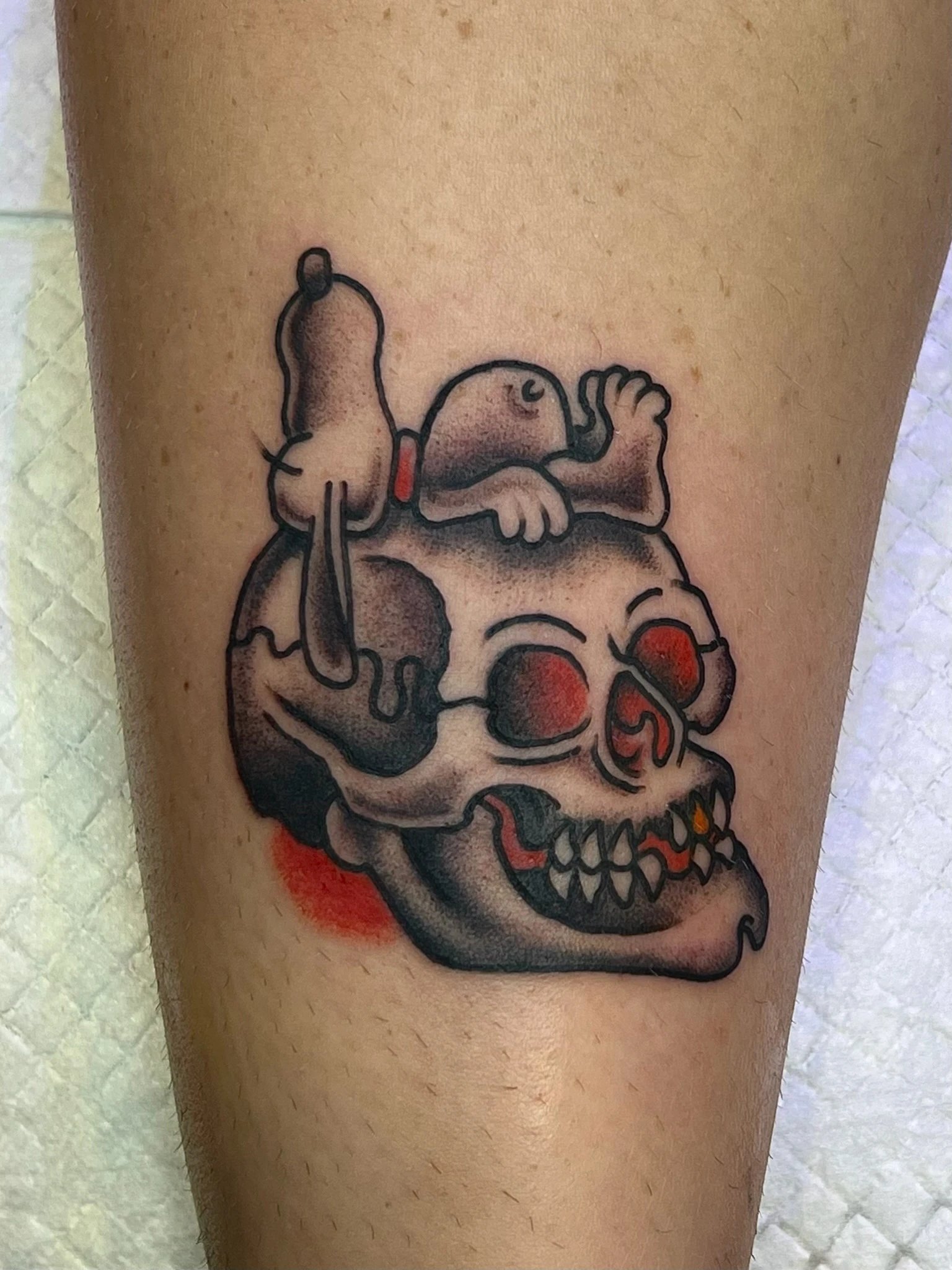
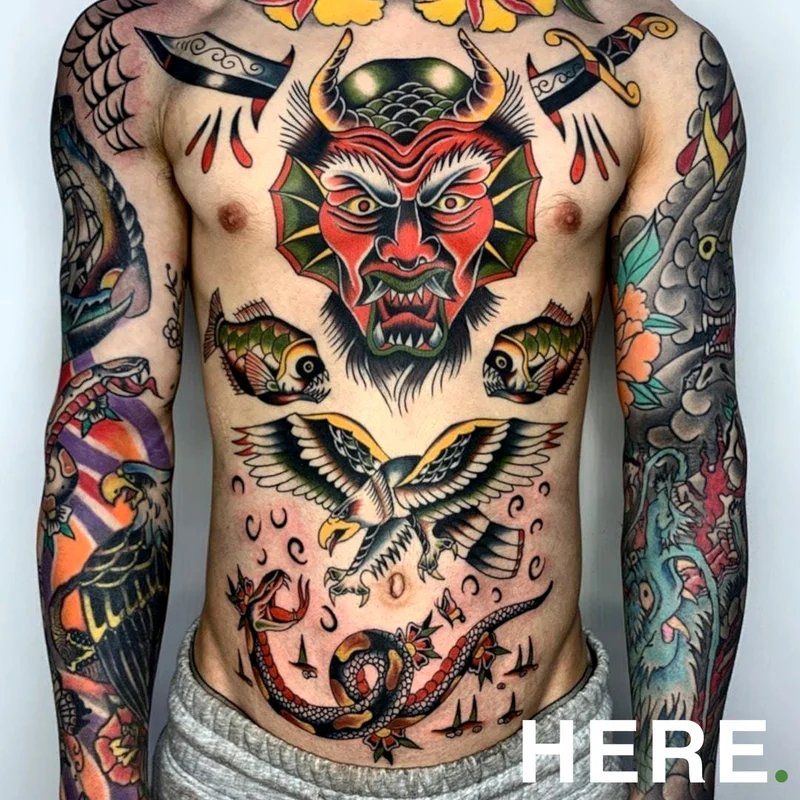
Artists skilled in technique balance line weight with the subject. Bold outlines might look awesome in traditional tattoos, while a portrait might need softer lines. The goal is clarity that lasts.
Technique Shapes the Outcome
It's not just about artistic talent. Needle depth, hand speed, and machine setup all influence how a line sits in the skin. Too much pressure can cause blowouts; too little can lead to weak lines.
The CDC stresses the importance of sanitation and proper equipment for safety. That same care also improves the tattoo’s quality, protecting both the art and your skin.
Shading, Contrast, and Depth: The Hidden Difference
Shading Gives a Tattoo Dimension
Shading makes a tattoo feel alive. It adds shape and transitions, helping the eye perceive light and form. Even simple designs can become striking with disciplined shading.
Poor shading might look muddy. Great shading feels smooth and intentional, especially in realism tattoos, where depth relies on gradients and texture.
Contrast Keeps the Design Clear
Contrast is crucial. Tattoos with good contrast are clear from a distance and intriguing up close. Without it, even well-designed tattoos can look flat over time.
Great artists know when to use darker tones and where to leave skin open. This balance prevents the tattoo from looking overworked and keeps it easy to understand.
Texture Tells a Story
Texture differentiates a tattoo that shows an object from one that suggests material and mood. Fur, metal, smoke—all require different handling. A great tattoo captures these without cluttering the design.
Experienced artists often consult closely on style to create a deeply personal piece. A custom design lets the technique match your visual story.
Composition and Placement: Why the Body Matters
Great Tattoos Work with Anatomy
A strong tattoo should fit the body naturally. The shape and direction should complement the body's curves and muscles. This is a quick way to tell if a tattoo is just good or genuinely great.
A design that ignores the body can look awkward, even if well-drawn. On the other hand, a tattoo that follows your body’s structure feels elevated and dynamic. Check out our tattoo aftercare guide for tips on choosing a placement that supports design and healing.
Scale Influences Detail
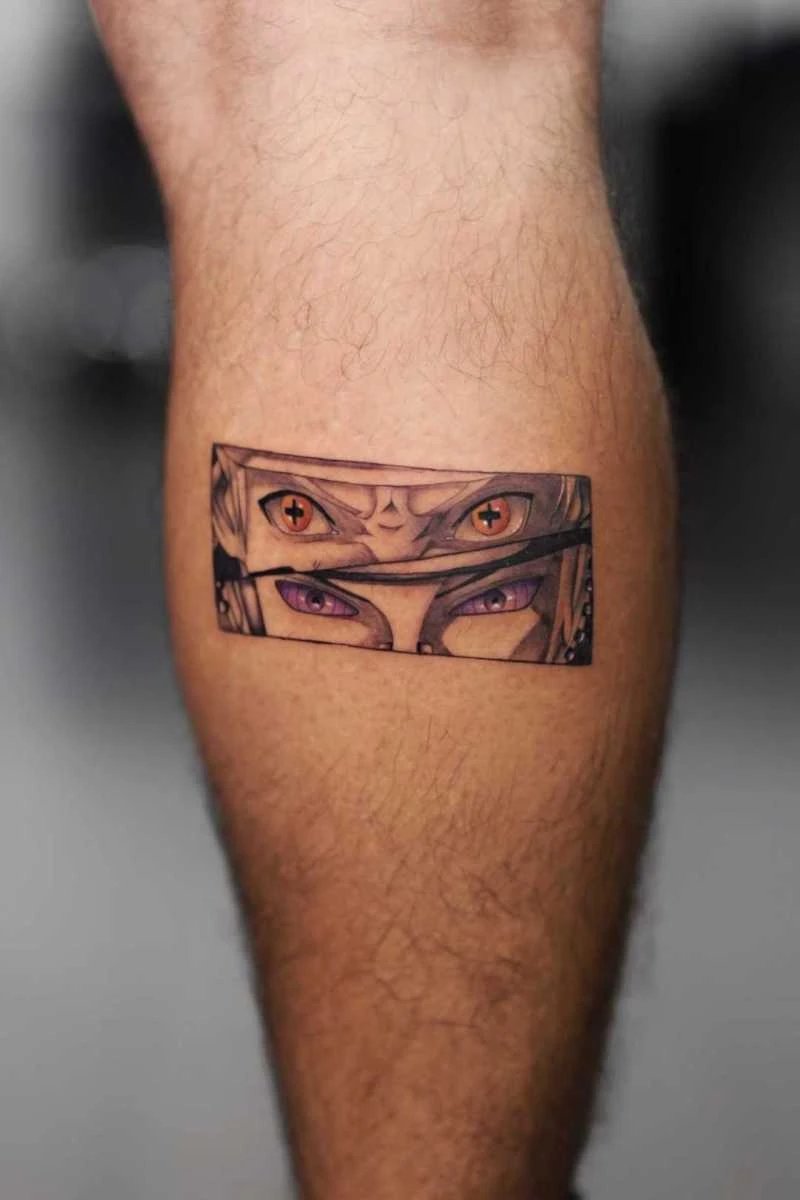
Sometimes a tattoo loses impact because it's too small for the detail. Great artists scale designs so the details stay clear after healing. Tiny lines can blur if the composition is too ambitious for the space.
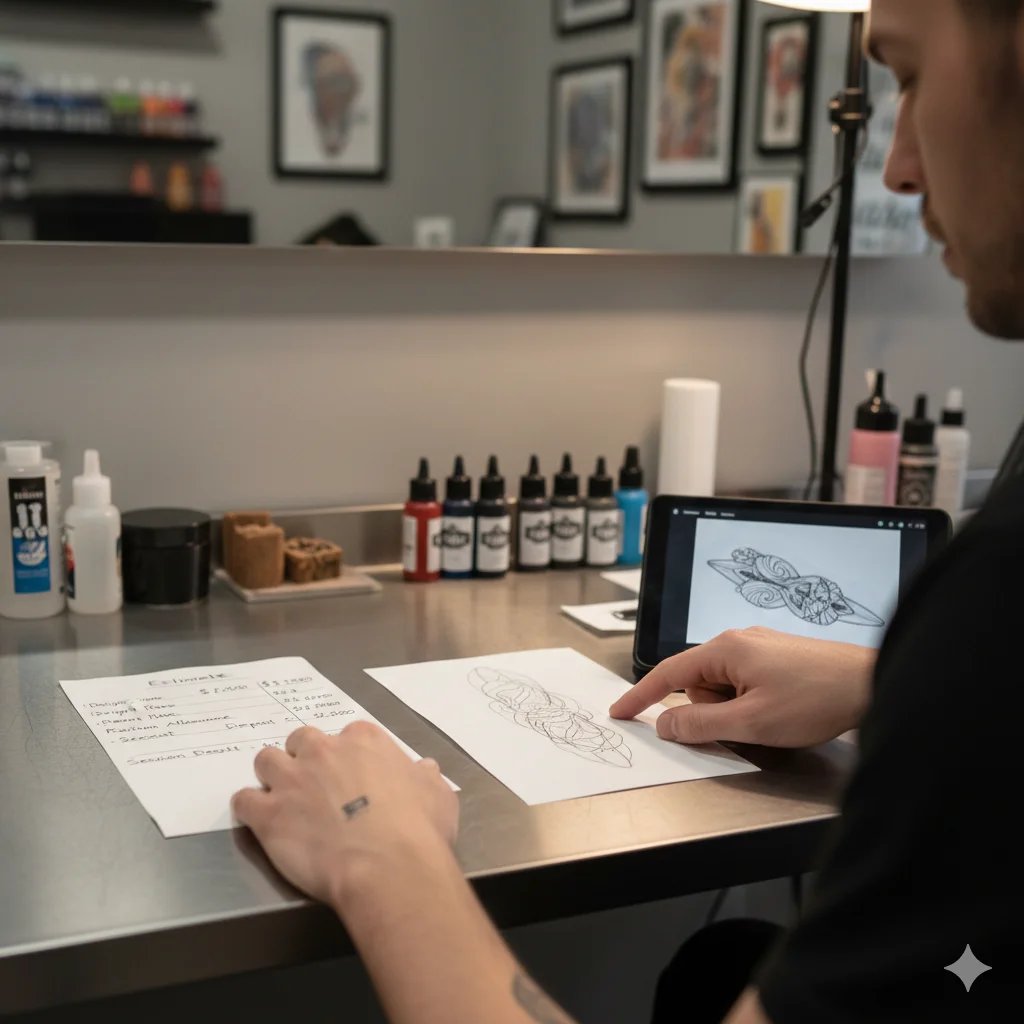
Consultation helps here. A thoughtful artist will guide you on what's realistic for your chosen area, which might mean simplifying or enlarging the design.
Movement Matters
Skin isn’t flat paper. It bends and shifts, so the best tattoos consider motion. A design that looks centered on a stencil might need adjustment to look balanced in real life.
Experienced artists think about how the tattoo will look as you move and how it will age. Great technique involves long-term thinking, not just visual impact.
Why Style Choice Changes the Standard of “Great”
Each Style Needs Different Skills
Each tattoo style requires different techniques. Traditional work needs clean execution. Fine line tattoos need restraint. Realism demands smooth transitions and accurate references.
Tattoos should be judged in context. A great fine line tattoo doesn’t need to look like a traditional piece, and vice versa. The artist’s job is to master their chosen style and apply it confidently.
Technique Matches the Concept
The best tattoos don’t force designs into the same style. A memorial piece might benefit from softer shading, while a bold symbol might need sharp contrast. A floral design might shine with delicate line work.
When technique matches the meaning, the tattoo feels stronger. This is why custom work often has more impact than generic designs.
Styles Age Differently
Some styles hold up better over time. Bold outlines and simple compositions often age more gracefully than tiny details. But delicate tattoos aren’t inferior—they just need an artist who understands longevity.
Talk honestly about how your design might age. The NHS advises on the importance of aftercare and hygiene for healing, but the choices made before the tattoo starts are crucial for long-term appearance.
How Artists Build Great Technique Before the Needle Touches Skin
Planning and Research Are Key
Great tattooing starts before the machine is switched on. Artists study references, refine proportions, and adjust compositions. This planning stage is crucial but often invisible to clients.
A rushed design process leads to rushed execution. A careful process sets the stage for a better result. If you’re exploring ideas, check out our custom design blog post for insights on turning ideas into finished art.
Stencil Placement Matters
Stencil placement seems simple, but it impacts the whole tattoo. A slightly off stencil can affect symmetry and balance. Great artists take time to position designs naturally from the main viewing angles.
They also confirm placement with you, preventing regret later. Strong technique involves good decisions before any ink hits skin.
Equipment Setup Influences Consistency
The quality of machines, needles, and inks affects the outcome. Great artists pick tools that suit their style and adjust their techniques to match.
According to the International League of Dermatological Associations, safe practices and proper care improve tattoo outcomes. Those same principles apply in tattooing, ensuring the skin is treated well.
The Healing Process Also Reveals Technique
Healing Tells the Truth
Fresh tattoos might look impressive, but healing shows if the technique was strong. Clean work settles evenly, while poor technique can show blowouts or lose definition quickly.
This is why aftercare is so important. Following professional instructions helps protect the work. For a practical overview, our tattoo aftercare guidance can help maintain the design’s clarity.
Overworking Can Damage the Look
Some tattoos lose quality not because the design was bad, but because the skin was overworked. Too many passes in one area can cause scarring or texture changes.
That’s why skilled artists move deliberately. Controlled application often looks better over time. The goal is to leave the skin in a condition that supports lasting art.
Aftercare Preserves the Technique
Even the best tattoos can be ruined by poor aftercare. Picking, soaking, and sun exposure can all interfere with healing. Technique and aftercare should work together.
The FDA notes that tattoo inks should be treated with care, and anyone with healing concerns should seek medical advice. Good technique sets the stage, and proper aftercare keeps it going.
How to Spot Great Technique Before You Book
Review Healed Work
Fresh tattoos can hide flaws under shine and filters. Healed images show how tattoos settle over time. If an artist shares healed pieces, it's a sign they trust their technique.
Look for line clarity, clean transitions, and balanced contrast. Pay attention to whether the tattoo still looks strong without heavy editing.
Ask About Experience
Different styles need different skills. It’s fair to ask how often an artist works in your desired style and what challenges they expect. A skilled professional will answer clearly.
Ask about their planning process and stencil placement. If considering a cover-up, the conversation should be detailed since older ink adds complexity. Our tattoo cover-up service illustrates how technical problem-solving affects the result.
Communication Matters
Great technique is easier when the artist listens well and explains the process. Good communication sets realistic expectations and makes the session feel collaborative. When an artist understands your goals, the tattoo usually turns out better.
That’s why consultation is so important. If unsure about your idea, ask questions early. A responsible artist will guide you toward a version that maintains meaning and improves the outcome.
Common Technique Mistakes to Avoid
Rushed Linework
A clear sign of average work is a rushed design. Lines might look uneven, and the composition might feel crowded. Rushed work comes from poor planning rather than lack of talent, which is why the process is so important.
Great tattoos have room to breathe. They have enough spacing for the eye to move and enough structure to guide attention. These choices are technical, not accidental.
Lack of Contrast and Muddled Shading
Another common issue is a tattoo that loses impact due to close values. When darks, midtones, and highlights aren’t balanced, the design can appear flat or blurry.
Great artists consider how the tattoo will read after healing. They build contrast with purpose, knowing when less detail creates a stronger result. This judgment shows maturity in technique.
Ignoring the Client’s Body
A tattoo can be technically competent but still wrong for the person. If the scale is off or the style doesn’t suit the client, it feels less successful. Great technique respects the whole person.
That’s why the best tattoos result from conversations, not quick transactions. The artist listens, studies the body, and applies the right method. A thoughtful process matters as much as the final needle pass.
Conclusion: Technique Makes the Difference
Tattoos Are Built, Not Just Drawn
When people ask what separates a good tattoo from a great one, it’s all about technique. Great tattoos are built through cleaner lines, stronger contrast, smarter composition, and a deeper understanding of how skin and ink work together. Every choice matters, from the first sketch to the final healing stage.
If you want a tattoo that feels personal and lasts, choose an artist who values technique as much as creativity. Whether you’re interested in fine line, realism, or a custom concept, the best results come from planning and precision. For more on how great technique supports different styles, explore our fine line tattoos and realism tattoos services.
Take Your Next Step with Confidence
A tattoo is permanent, but the quality of the experience and result is shaped long before the session ends. If you’re ready to plan a piece that reflects your vision, start with a consultation and ask detailed questions. The more thoughtful the process, the better the outcome.
For more inspiration, check out our related blog posts on design and placement, then connect with Here Tattoo Shop to discuss your next piece. Strong technique is the difference between art that just looks good and art that truly lasts.