Your Next Tattoo Should Be as Unique as You Are: Discover Custom Tattoo Designs
Choosing a tattoo isn't just about picking a nice picture from a book. It's a personal choice that can capture memories, symbolize something important, and showcase your style. That's why many people are opting for custom tattoo artwork that feels original, meaningful, and tailored to their personal stories.
If you want a tattoo that stands out from the crowd, custom work lets you shape the design from scratch. Whether you're after a delicate script, a bold traditional piece, or a detailed portrait, a skilled artist can bring your idea to life. If you're still figuring out your style, our custom tattoo design service is a great place to start. You can also check out our fine line tattoos and American traditional tattoos to see what clicks with you.
In this guide, we'll break down what custom tattoo design really means, how the process works, and how to prepare for your consultation. We'll also cover tips on aftercare, common mistakes to avoid, and what to expect from a professional studio in Brooklyn. For broader advice on skin safety, you might want to look at CDC's tattoo safety information and the FDA's page on tattoos and permanent makeup.
What Makes Custom Tattoo Designs Different?
Reflects Your Personal Story
Custom tattoos start with your story, preferences, and goals. Instead of picking something pre-made, you work with an artist to create a piece that reflects your personality, beliefs, or experiences. Think of it as combining symbols, tweaking proportions, or developing a new idea altogether.
This approach makes the tattoo more meaningful because every detail has a purpose. Even a small tattoo can feel deeply personal when it's made just for you. That's why custom tattoos often hold their emotional value longer; they're part of your journey, not just a design from a catalog.
More Control Over Style, Placement, and Size
With custom tattoos, you have flexibility. You can pick a style that complements your body and other tattoos, ensuring a concept that fits naturally. This is handy if you want a tattoo that wraps around your arm, sits perfectly on your shoulder, or balances with existing art.
Size matters too. A design that looks great as a small flash tattoo may need more space for detail, while a simple line drawing may look best when kept minimal. By working with a designer, you can avoid layout mistakes and create a tattoo that looks intentional from every angle.
Better Long-Term Visual Harmony
Custom designs can help your tattoos grow with you. If you're planning more tattoos, a custom artist can plan for spacing, flow, and composition. This way, your new piece can blend into a larger sleeve or back piece, rather than competing with future work.
People often focus on their first tattoo, but smart planning pays off later. A well-designed tattoo looks strong on its own while leaving room for more art. This approach often results in a polished and cohesive collection over time.
How the Custom Tattoo Design Process Works
The Consultation Sets the Foundation
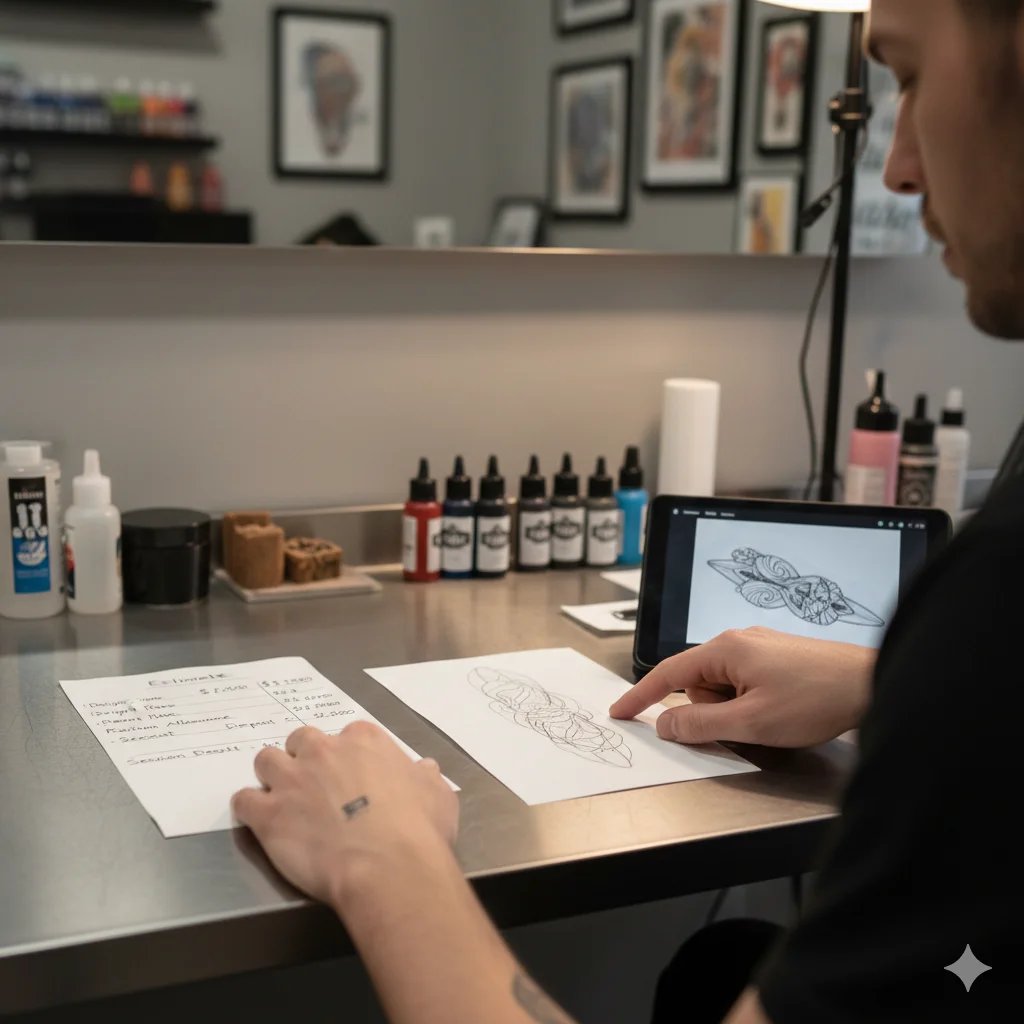
The process kicks off with a consultation where you share your ideas, placement thoughts, size preferences, and overall goals. Bring any reference images you have, but don't stress if your idea isn't fully formed. A good artist can help turn vague ideas into something practical and visually striking.
This first chat is where expectations are set. The artist may ask about your pain tolerance, tattoo history, and how visible you want the design. If you're considering covering up an old tattoo, ask about tattoo cover-up options, especially if you're replacing an older piece with something more personal.
Sketching and Refinement Come Next
After your consultation, the artist starts sketching. Depending on the complexity, you might see one draft or several refined versions. This is where proportions, line weight, shading, and composition get adjusted. It's normal to request small changes, especially if the tattoo has to fit a specific body area.
The best custom tattoos often go through a few thoughtful revisions. This shows that the final design is being developed carefully. When the design is perfected before it hits the skin, the tattoo usually looks cleaner and ages better.
Stencil Placement and Final Approval
Once the design is finalized, the artist prepares a stencil and checks its placement on your body. This step is crucial. A tattoo can look perfect on paper but sit awkwardly on the body if it's not positioned correctly.
Before the tattooing starts, take your time during the placement review. Move around, check in the mirror, and make sure it feels balanced from all angles. Once you're happy with the stencil, the tattooing begins, so this is your best chance to make any last tweaks.
Choosing the Right Style for a Custom Piece
Different Styles Tell Different Stories
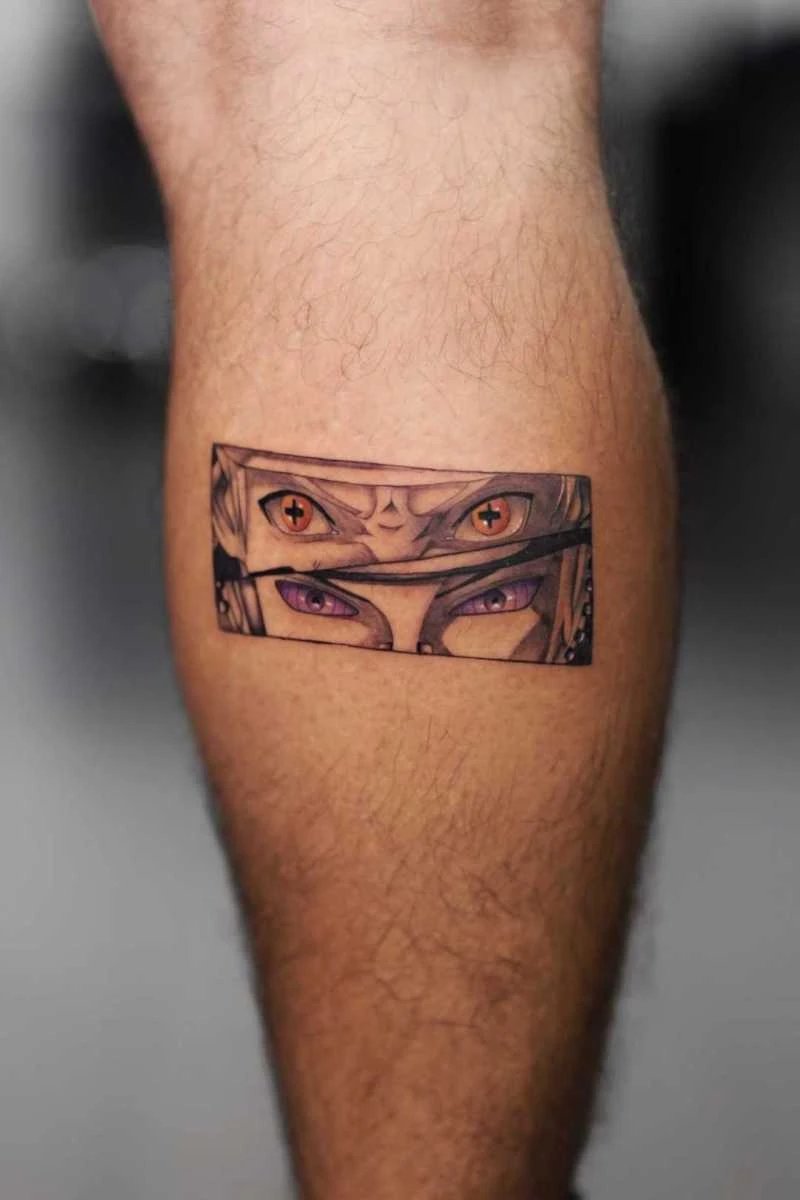
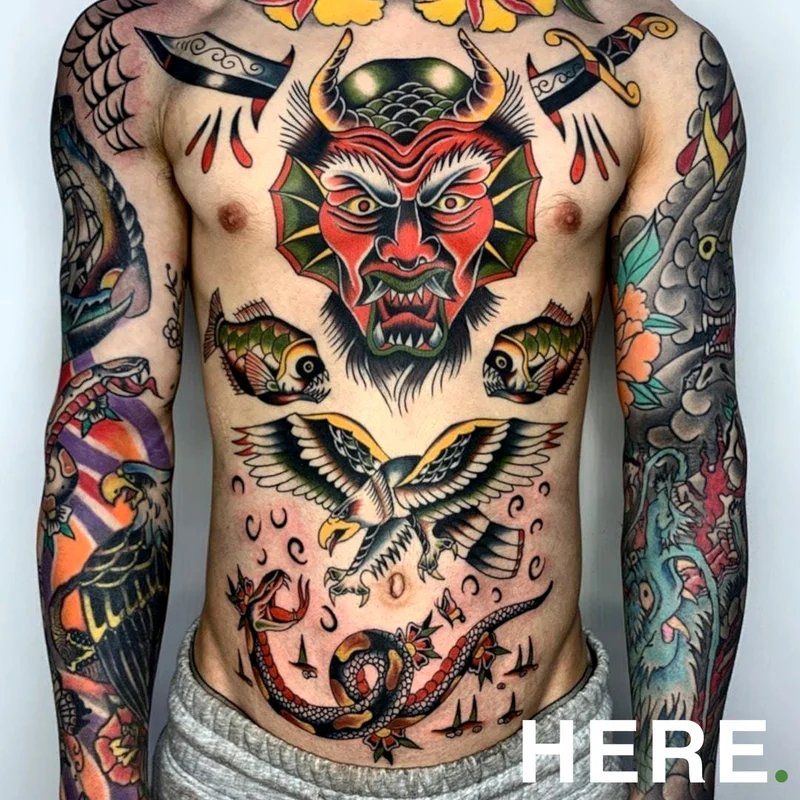
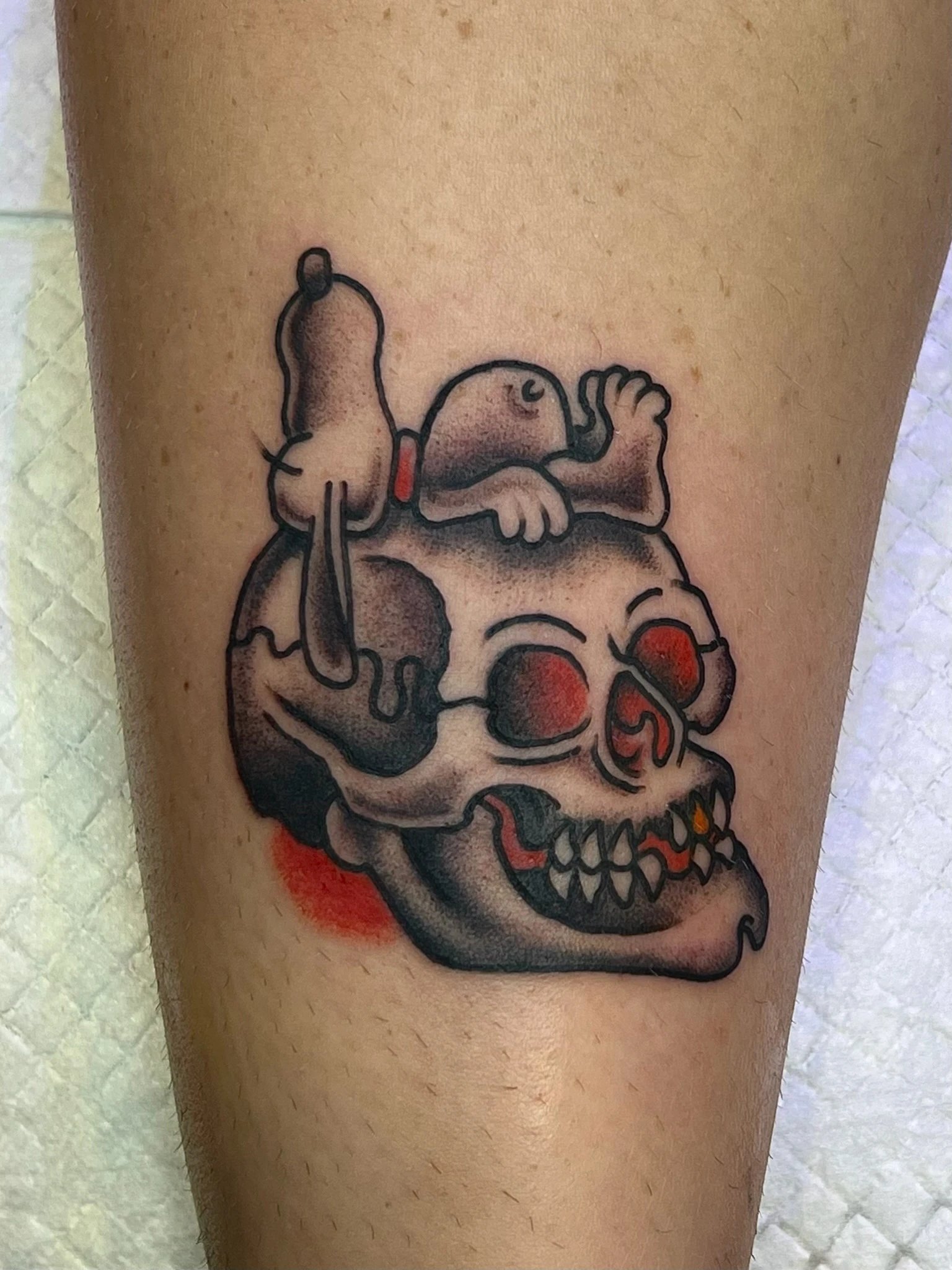
Custom tattoos aren't limited to one style. A script tattoo can make a name or quote feel elegant and personal. Fine line work offers a modern look, perfect for minimal symbols and florals. Realism captures portraits and objects with depth, while traditional tattoos offer bold outlines and timeless appeal.
Your choice depends on your taste, skin, and the story behind the tattoo. If you're unsure, take a look at script tattoos or realism tattoos before your consultation. Different styles not only change the look but also affect how the tattoo heals and holds detail over time.
Match the Style to Your Lifestyle
Your tattoo should fit your daily life and your artistic tastes. If you work in a place where visibility matters, you might prefer a smaller, more concealable design. If you're after a statement piece, you might choose a larger tattoo in a visible spot. Your artist can help you balance personal expression with practical considerations.
Your lifestyle also affects maintenance. Fine line tattoos may need careful placement and execution, while larger shaded pieces might involve longer sessions and more intensive aftercare. Knowing your routine helps you pick a style that stays beautiful over time.
Consider Healing and Readability
Some designs are more forgiving than others. Detailed work can look amazing but needs space to breathe. Tiny elements crammed together may blur over time. A strong custom design considers healing, skin movement, and the tattoo's natural aging process.
Experience matters here. A good artist thinks about how the tattoo will look not just on day one but also in a year or five. This foresight is a hallmark of quality custom work.
How to Prepare for a Great Custom Tattoo Consultation
Bring Reference Material, but Stay Flexible
Reference images help show your artist what you like and what you don't. You don't need a perfect drawing. Many clients come in with screenshots, rough notes, or even a few words describing a feeling they want the tattoo to convey. The idea is to guide the artist, not dictate every detail.
Gather inspiration from shapes, textures, symbols, or layouts instead of copying a single image. This gives the artist more room to create something original and helps ensure your tattoo won't look too similar to someone else's.
Think About Size, Placement, and Visibility
Before your consultation, think about where you want the tattoo and how big it should be. Placement affects pain, healing, and impact, so do some research. Our guide on how tattoo placement influences pain level and healing might give you more insight.
Consider how visible you want the tattoo. Some people want a design that's always on display, while others prefer something more private. Your choice will influence not just placement but also size, line thickness, and overall style.
Share Your Budget Honestly
A good custom tattoo is an investment, so your budget should be part of the conversation from the start. Being upfront about your budget helps the artist suggest a size and complexity that fits your range. It also prevents disappointment if the design needs to be adjusted.
If you want to know more about pricing, check out our blog on how much a custom tattoo design costs and what affects pricing. Usually, a fair budget covers quality, design time, and the skill needed to bring your vision to life.
Why Custom Tattoo Design Is Worth It
It Feels Personal
A big reason people choose custom tattoos is the emotional connection. A personal design can represent a loved one, a milestone, a value, or a life change. This meaning often makes the tattoo more satisfying because it's rooted in your experience.
Generic tattoos can still look great, but custom artwork tends to carry more weight. People remember why they got the tattoo and how the design came together. That story becomes part of the art itself.
You Avoid Overused Imagery
Some tattoo ideas become so common that they lose impact. A custom design lets you keep the meaning while giving the concept a fresh look. Instead of copying what many people already have, you can create a version that feels original and more in tune with your style.
This matters especially if you care about aesthetics. A custom piece can take a familiar idea and make it more elegant, minimal, dramatic, or symbolic depending on your goals. This level of personalization often makes a tattoo memorable.
Work with an Artist, Not Just a Machine
Custom tattoos are collaborative. The artist doesn't just trace an idea; they interpret and refine it with skill. This collaboration can be one of the most rewarding parts of the experience because it often leads to a design you couldn't have imagined alone.
Professional tattoo artists also understand spacing, anatomy, and skin realities. For guidance on artist standards and safe practices, check out the British Tattoo Artist Federation and public health advice from agencies like the CDC.
Custom Tattoo Design and Aftercare Go Hand in Hand
Good Design Deserves Good Healing
Even the best design can lose impact if not cared for properly afterward. Aftercare affects how crisp the lines stay, how the colors set, and how evenly the skin heals. That's why aftercare should be part of your planning, not an afterthought.
For a detailed guide, check out our tattoo aftercare resource. It covers cleaning, moisturizing, avoiding friction, and protecting your new tattoo from irritation. Proper aftercare helps keep the time, money, and effort you invested in the design looking its best.
Healing Habits Can Protect Detail
During healing, resist the urge to pick at scabs or scratch itchy areas. Doing so can remove pigment and distort delicate linework. You should also avoid soaking the tattoo, over-moisturizing, or sun exposure while it's still healing. These small mistakes can affect the final result more than people expect.
Follow your artist's instructions and use trusted health references when needed. The American Academy of Dermatology offers reliable advice on caring for a tattoo during healing. If anything seems unusual, like excessive redness or discharge, contact your artist or a medical professional.
Aftercare Supports Long-Term Color and Clarity
A well-healed tattoo will always look better than one that healed poorly. Sun protection, gentle cleaning, and consistent moisturizing help maintain the tattoo's vibrancy over time. For larger custom pieces, this becomes even more important because the design often relies on multiple elements working together visually.
If you're planning future work, good aftercare also helps your skin stay in better condition for more tattoos. Healthy skin holds ink better and makes future tattoos easier to place and heal.
Common Mistakes to Avoid When Designing a Tattoo
Rushing the Process
One common mistake is moving too quickly. A tattoo is permanent, so it deserves time and attention. If you rush the consultation, skip revisions, or approve a design without considering the size and placement, you might end up with something that doesn't feel right later.
Taking your time doesn't mean delaying forever. It means allowing enough space for the design to become something you truly want. This is especially important for first-timers who may not yet know how certain styles will look on their body.
Choosing Detail That's Too Small
Small tattoos can be beautiful, but cramming too much detail into a little space often causes issues. Lines may blur, shading may merge, and fine elements may disappear as the tattoo ages. A smart custom design considers size limitations and uses those creatively.
If you love intricate artwork, ask your artist how to preserve the concept without losing clarity. Often the solution is to simplify the layout, keeping the meaning intact.
Ignoring Placement Context
Placement affects how the tattoo moves with your body. A design that looks centered when your arm is relaxed may shift when you bend your elbow. A back piece may need a different structure than a chest piece. Understanding these changes can improve the final composition.
This is where experienced artists really shine. They know how to adapt a design so it works with the body, not against it. That's why custom tattoos are worth the collaboration.
What to Expect from a Professional Custom Tattoo Studio
Clear Communication and Expectations
A good studio will make the process feel organized and respectful. You'll know how the consultation works, how revisions are handled, and what to bring on tattoo day. Clear communication shows that the studio values your vision and comfort.
Professional artists ask questions that help protect the quality of the work. This can include skin sensitivities, medication considerations, prior tattoo experience, and design goals. These questions are part of providing responsible service.
Portfolio Quality and Consistency
When evaluating a studio, look at the artist's portfolio closely. You want consistency in line quality, shading, composition, and healed results if available. A portfolio should show not just nice designs but strong execution across multiple tattoo types.
If you're comparing styles, it can help to review flash tattoos for ready-made ideas and custom pieces for tailored concepts. You may also want to explore the studio's range to understand how they handle style variation and technical complexity.
A Comfortable Experience from Start to Finish
A professional studio will make you feel informed and respected throughout. This includes hygiene, setup, design review, and post-session instructions. The environment matters because tattoos are personal, and a calm, well-run appointment can make a big difference in your confidence.
For those looking for a trusted tattoo shop in Brooklyn, the best choice balances creativity, cleanliness, and communication. This combination leads to better art and a better overall experience.
Final Thoughts: Make Your Tattoo as Individual as Your Story
Personal Design Creates Lasting Value
A custom tattoo is more than decoration. It's a collaboration between your vision and an artist's skill, shaped into something that belongs only to you. That's why custom work often feels more meaningful, polished, and satisfying than a generic design.
If you're ready to create something original, start by thinking about the story you want your tattoo to tell. Then bring that idea to a consultation, share your inspiration, and let the design evolve with expert guidance. The more intentional the process, the better the result.
Plan Well, and the Result Will Reward You
From choosing the right style to preparing for the appointment and caring for the tattoo afterward, every step matters. A great design only reaches its full potential with smart planning and proper healing. That's why custom tattoos are a strong choice for those who want their ink to feel truly personal.
If you're ready to move from idea to artwork, explore our custom tattoo design service, check out our aftercare guidance, or connect with Here Tattoo Shop to discuss your concept. Your next tattoo should be as unique as you are, and with the right planning, it can be.
Ready to create a tattoo that tells your story? Book a consultation with Here Tattoo Shop and take the first step toward a one-of-a-kind design built around your vision.