Fine line tattoos rank as the most popular tattoo style in 2025, followed closely by traditional American and blackwork designs. These three styles dominate client requests at studios across Brooklyn and beyond. Each offers distinct visual appeal and aging characteristics worth understanding. Your personal style, skin type, and placement goals should guide your final choice.
Choosing the right tattoo style feels overwhelming with so many options available today. First-time clients often struggle to match their vision with a style that executes well on skin. The wrong choice can mean faster fading or designs that blur over time.
In this blog, we explain what tattoo style is most popular and how each one performs long-term. You'll learn key differences between trending styles, discover which designs suit your skin, and gain confidence for your artist consultation.
Ready to explore which tattoo style fits your vision? We guide Brooklyn clients from concept to custom design. Book your free consultation at Here Tattoo today.
Why Fine Line Tattoos Lead Popularity Charts
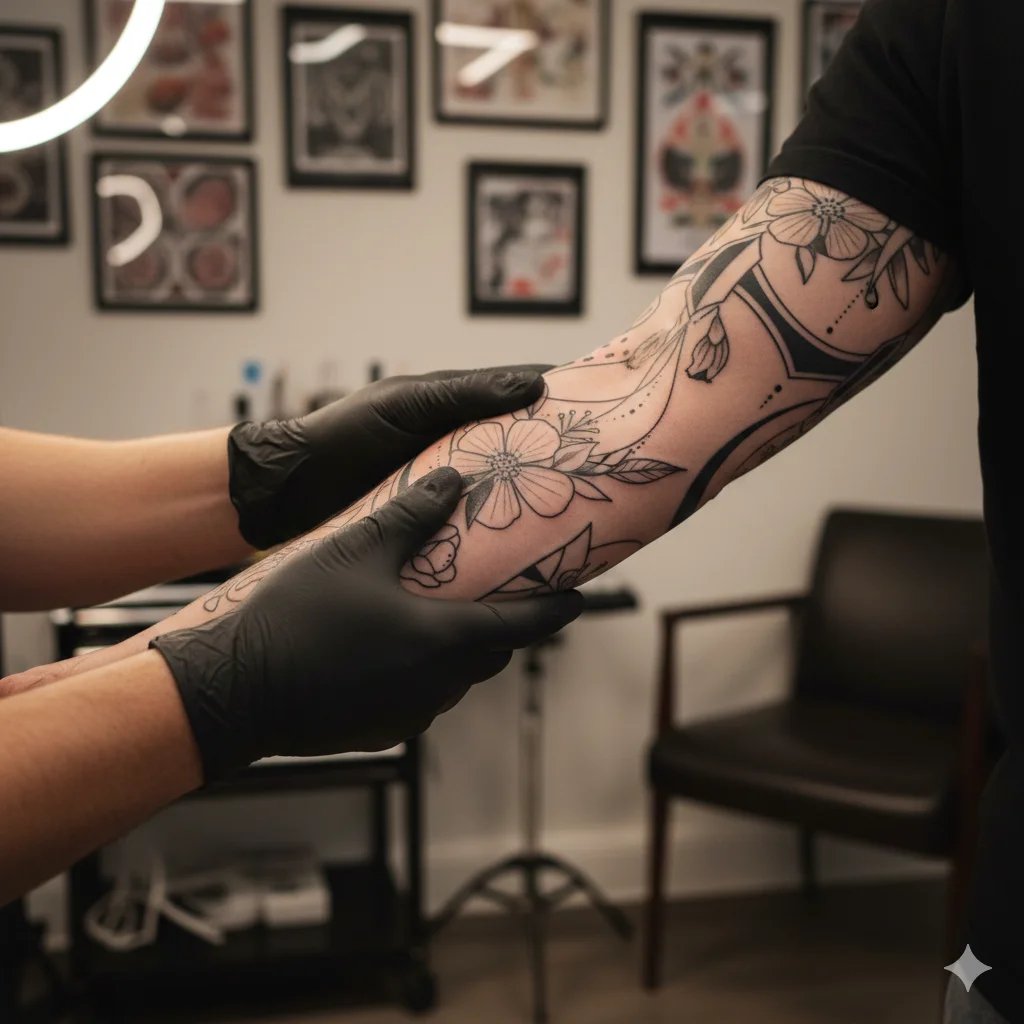
Fine line tattoos use single-needle techniques to create delicate, detailed artwork. This style gained massive traction through social media exposure and celebrity influence. According to Tattoodo's 2024 industry report, fine line searches increased 47% year-over-year among first-time clients.
The appeal lies in versatility and subtlety. Fine line works beautifully for small placements like wrists, ankles, and behind ears. These tattoos photograph well and suit professional environments where visible ink matters.
However, fine line tattoos require specific skin considerations. Thinner lines spread faster on certain skin types over time. Your artist should assess your skin texture before recommending this delicate approach. Proper placement and sizing help fine line work age gracefully for years.
Best Placements for Fine Line Work
Inner forearms and upper arms hold fine line tattoos exceptionally well. These areas experience less sun exposure and skin movement. Avoid high-friction zones like hands, feet, and inner elbows for delicate designs.
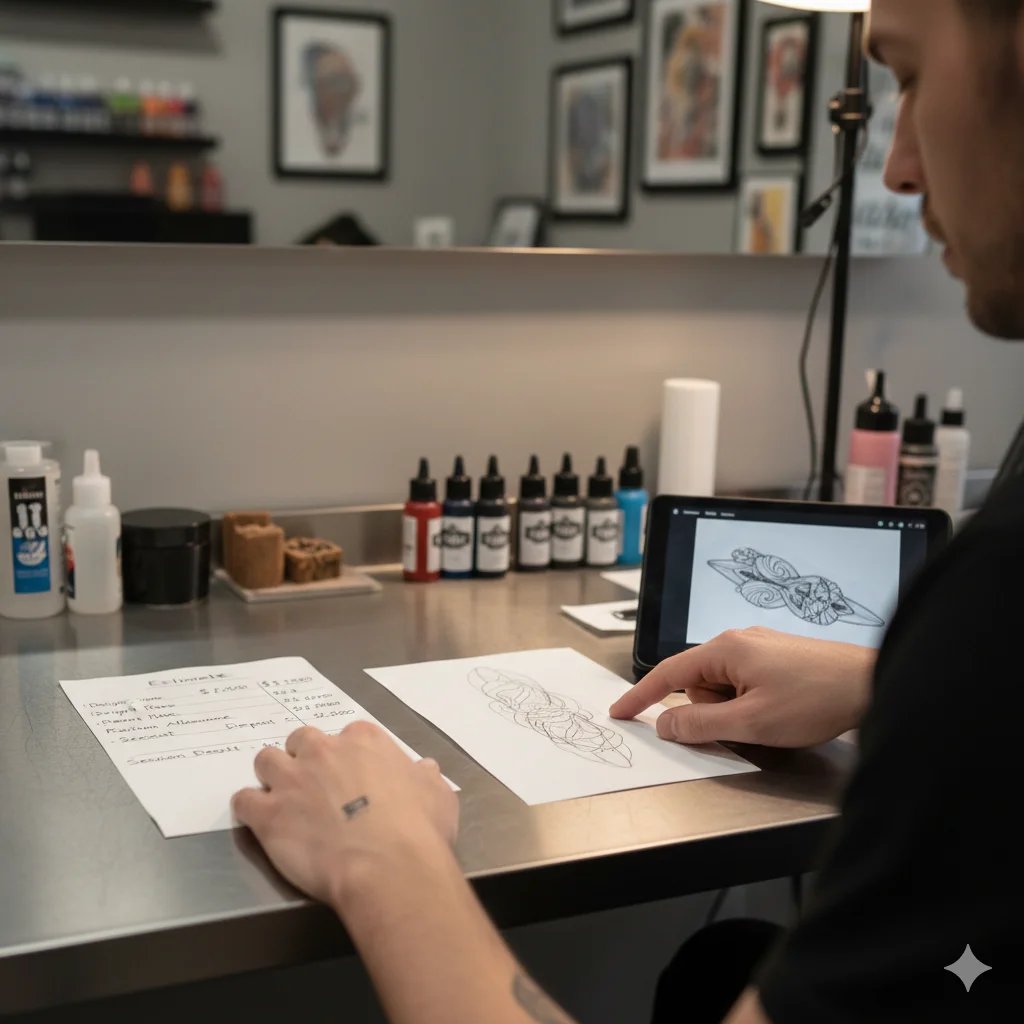
Ribcage placements work for larger fine line pieces with adequate spacing. The key involves sizing elements appropriately for long-term readability. Your artist can mock up designs at different scales during consultation.
Traditional American Tattoos Hold Strong Appeal
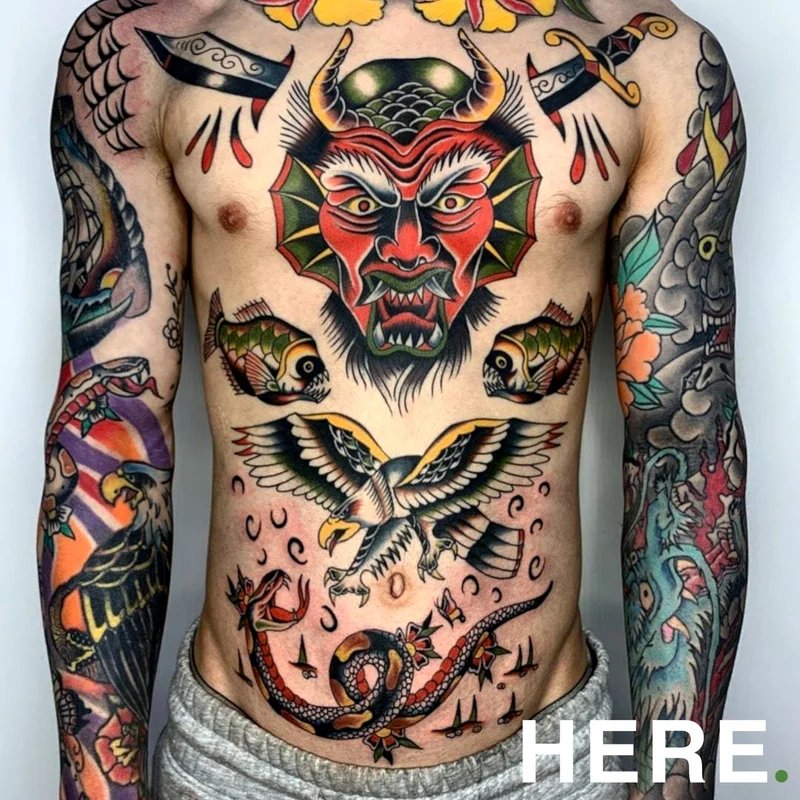
Traditional American style, also called "old school," remains consistently popular across generations. Bold black outlines and limited color palettes define this classic approach. Inked Magazine's 2025 survey found traditional tattoos represent 31% of all studio bookings nationwide.
This style originated with sailors and military personnel in the early 1900s. Iconic imagery includes anchors, roses, eagles, and pin-up figures. The bold linework and solid color packing ensure these tattoos age remarkably well.
Traditional tattoos suit clients wanting timeless designs with proven longevity. The style works across most body placements and skin types. Larger pieces on arms, legs, and backs showcase traditional work at its finest.
Color Choices in Traditional Work
Traditional palettes stick to primary colors: red, yellow, green, blue, and black. These pigments hold better in skin than trendy pastels or watercolor effects. Solid color saturation prevents the patchy fading common in other styles.
Your artist selects colors based on your skin undertone for optimal results. Warmer skin tones often showcase reds and yellows beautifully. Cooler undertones may favor blues and greens for maximum contrast.
Blackwork and Geometric Styles Surge Forward
Blackwork tattoos use solid black ink exclusively for striking visual impact. This category includes geometric patterns, ornamental designs, and bold graphic pieces. Pinterest's 2024 trend data showed blackwork searches grew 62% among users aged 25-40.
Geometric tattoos within blackwork emphasize mathematical precision and sacred geometry. Mandalas, dotwork, and pattern-based designs fall into this category. These pieces require artists with exceptional technical skill and steady hands.
The style appeals to clients seeking bold statements without color complexity. Blackwork ages predictably since black ink holds better than colored pigments. Touch-ups remain straightforward compared to multi-color pieces.
Dotwork Techniques Within Blackwork
Dotwork creates shading and dimension through thousands of individual dots. This technique produces softer gradients than traditional shading methods. The approach requires significant time investment but yields stunning results.
Dotwork pieces need adequate sizing to maintain clarity over time. Tiny dots placed too closely together may merge as skin ages. Experienced artists space dots strategically for lasting definition.
Realism Tattoos Demand Technical Mastery
Realistic tattoos replicate photographs or lifelike imagery on skin. Portrait work, nature scenes, and hyperrealistic objects define this demanding style. According to Tattoo Artist Magazine's 2024 review, realism specialists command 40% higher rates than general artists.
This style requires exceptional artistic training and years of practice. Not every tattoo artist can execute realism successfully. Research portfolios extensively before booking realistic work.
Realism tattoos need larger placements to capture necessary detail. Small realistic pieces lose definition quickly as skin changes. Arms, backs, and thighs provide ideal canvases for portrait and realistic work.
Choosing Between Black-and-Gray and Color Realism
Black-and-gray realism uses shading gradients without color pigments. This approach often ages more gracefully than full-color realism. The style suits portraits and dramatic imagery beautifully.
Color realism captures vibrant, lifelike imagery but requires more maintenance. Colors fade at different rates, potentially requiring touch-ups. Discuss longevity expectations with your artist before choosing color realism.
Watercolor Tattoos Offer Artistic Expression
Watercolor tattoos mimic paint splashes and fluid brushstroke effects. This style gained popularity for its artistic, painterly aesthetic. However, Healthline's 2024 tattoo guide notes watercolor tattoos may require touch-ups within 5-7 years due to lighter pigment saturation.
The style works best combined with black linework foundations. Pure watercolor without outlines fades faster and loses definition. Smart artists incorporate subtle black elements for structural support.
Watercolor suits clients comfortable with eventual maintenance needs. The style creates beautiful, unique pieces worth the upkeep investment. Placement on sun-protected areas extends watercolor longevity significantly.
Japanese Traditional Style Carries Cultural Weight
Japanese tattoos, called Irezumi, follow centuries-old artistic traditions. Dragons, koi fish, cherry blossoms, and waves define this iconic style. The Japan Times reported in 2024 that Japanese-style tattoos remain among the top five requested styles globally.
This style emphasizes flow, movement, and cohesive body coverage. Traditional Japanese work often covers large areas like full sleeves or back pieces. The style tells stories through symbolic imagery and careful composition.
Japanese tattoos require significant time and financial commitment. Multiple sessions spanning months or years complete larger pieces. The investment yields stunning, culturally rich artwork with excellent aging properties.
Understanding Japanese Tattoo Symbolism
Each element in Japanese tattooing carries specific meaning. Koi fish represent perseverance and strength through adversity. Dragons symbolize wisdom, protection, and good fortune.
Cherry blossoms remind viewers of life's fleeting beauty. Waves represent life's challenges and the power of nature. Your artist can help select imagery matching your personal narrative.
Key Takeaways
- Fine line tattoos lead 2025 popularity but require careful placement consideration
- Traditional American style offers proven longevity with bold, timeless designs
- Blackwork and geometric styles provide striking impact using black ink exclusively
- Realism demands larger placements and highly skilled specialist artists
- Japanese traditional work requires significant time investment for cohesive pieces
- All styles benefit from proper sizing, placement, and artist expertise matching
Who This Service Is For
This guide serves first-time tattoo clients exploring style options before their first piece. Creative individuals seeking meaningful custom designs benefit from understanding style differences. Tattoo enthusiasts adding to existing collections gain insight into complementary style choices.
Brooklyn residents wanting locally-crafted custom work find value in style education. Anyone feeling overwhelmed by tattoo options discovers clarity through informed comparison. Clients prioritizing long-term results learn which styles age best on their skin type.
Here Tattoo welcomes clients at every experience level. We specialize in translating your vision into tattoo-ready designs. Our consultation process matches your ideas with styles suited to your goals.
Unsure which style matches your vision? We help Brooklyn clients navigate options with personalized guidance. Schedule your design consultation at Here Tattoo and let's create something meaningful together.
How Skin Type Affects Style Selection
Your skin's characteristics influence which tattoo styles perform best long-term. Lighter skin tones typically hold fine details and color vibrancy well. Darker skin tones showcase bold lines and high-contrast designs beautifully.
Skin texture matters equally in style selection. Smooth, even-textured skin accepts fine line work more predictably. Textured or scarred areas may benefit from bolder styles with more coverage.
Age and sun exposure history affect tattoo aging significantly. Previously sun-damaged skin may not hold delicate work as well. Your artist assesses these factors during consultation for honest recommendations.
Working With Your Artist on Skin Assessment
Professional artists evaluate skin before finalizing design approaches. This assessment considers texture, tone, elasticity, and placement specifics. Honest evaluation prevents disappointment and ensures realistic expectations.
Ask your artist directly about style suitability for your skin. Experienced professionals provide candid guidance based on years of observation. Trust their expertise when recommendations differ from your initial preferences.
Placement Considerations by Style
Different tattoo styles perform better on specific body areas. Understanding placement principles helps you plan cohesive collections. Strategic placement extends tattoo longevity and visual impact.
High-movement areas like elbows, knees, and hands challenge delicate styles. Bold traditional and blackwork handle these placements more successfully. Fine line and watercolor work better on stable, protected areas.
Sun exposure dramatically affects tattoo aging across all styles. Frequently exposed areas fade faster regardless of style choice. Consider lifestyle factors when selecting placement for your design.
Conclusion
Choosing your tattoo style involves balancing aesthetic preferences with practical considerations. Fine line, traditional, blackwork, realism, and Japanese styles each offer distinct advantages. Your skin type, desired placement, and maintenance comfort level guide the best choice.
Here Tattoo specializes in helping Brooklyn clients navigate these decisions confidently. We match your vision with styles that execute beautifully and age gracefully. Our collaborative process ensures your tattoo reflects your story authentically.
We transform ideas into custom designs built for lifetime wear. Book your consultation to explore which style brings your vision to life. Let's create something meaningful together at Here Tattoo.
FAQs
Which tattoo style lasts the longest without fading?
Traditional American tattoos with bold outlines and solid color packing age most gracefully. The thick linework and saturated pigments resist spreading and fading. Blackwork tattoos also maintain clarity exceptionally well over decades.
Are fine line tattoos a bad choice for first-timers?
Fine line tattoos work well for first-timers who choose appropriate placements. Avoid high-friction areas and ensure adequate sizing for longevity. Consult an experienced fine line artist who can assess your skin suitability.
How do I choose between color and black-and-gray tattoos?
Consider your wardrobe, skin tone, and maintenance preferences when deciding. Black-and-gray ages more predictably and suits most skin tones universally. Color tattoos offer vibrancy but may require touch-ups as pigments fade differently.
What tattoo style works best for small designs?
Fine line and minimalist blackwork suit small designs most effectively. Traditional style can work small but requires simplified imagery. Avoid realism and detailed Japanese work at small scales.
How much does tattoo style affect pricing?
Realism and Japanese traditional typically cost more due to time and skill requirements. Fine line and traditional American fall in moderate price ranges. Complexity, size, and artist experience influence final pricing more than style alone.
Can I mix different tattoo styles on my body?
Many collectors successfully combine multiple styles across different placements. Cohesion comes through thoughtful placement and complementary subject matter. Discuss your collection vision with your artist for strategic planning.
What style should I choose if I work in a conservative profession?
Fine line and minimalist blackwork offer subtle options for professional environments. Choose easily concealed placements like upper arms, back, or thighs. Smaller, delicate pieces provide personal expression without workplace concerns.
Ready to start your tattoo journey with expert guidance? We help you choose the perfect style for your vision and skin. Contact Here Tattoo in Brooklyn today to book your personalized consultation.