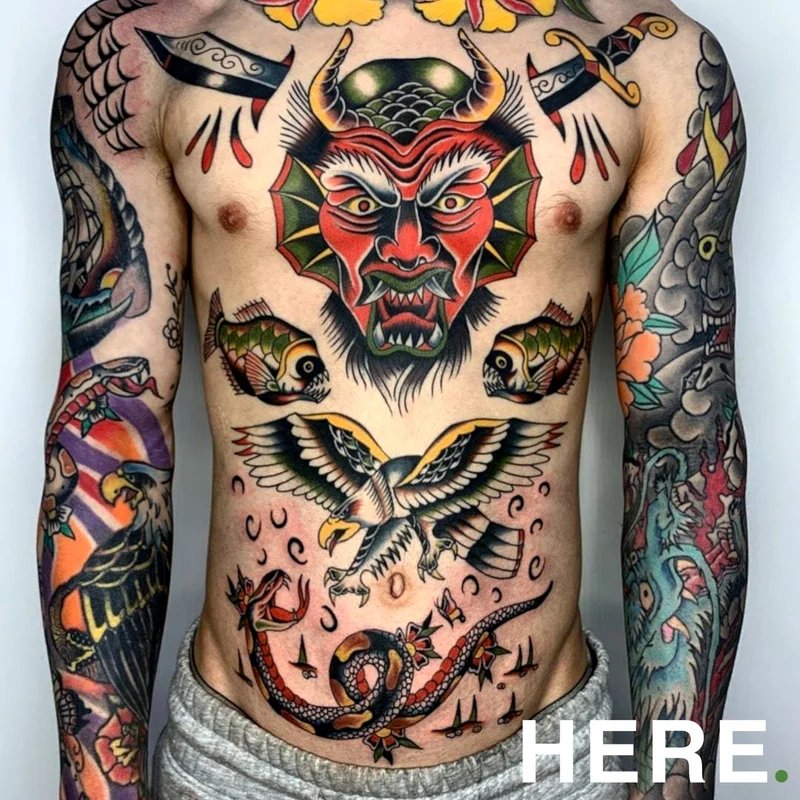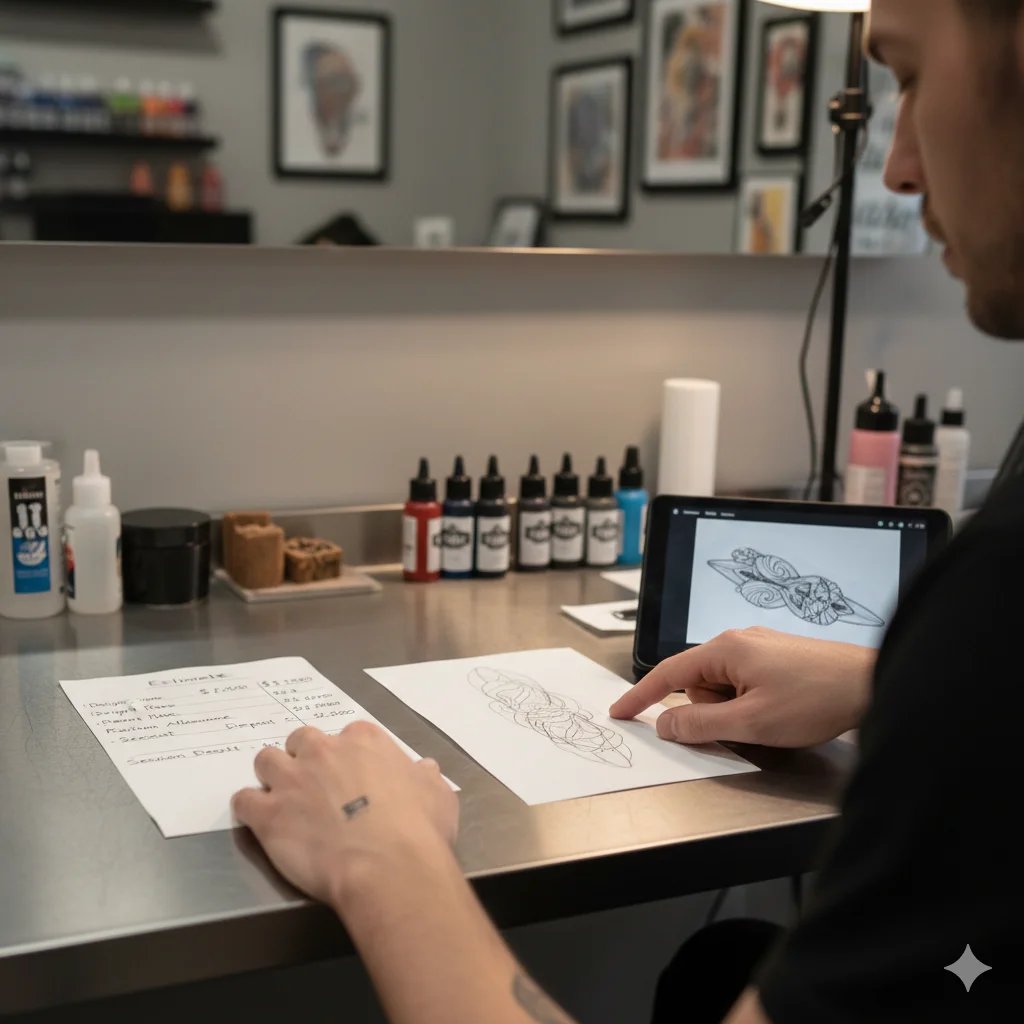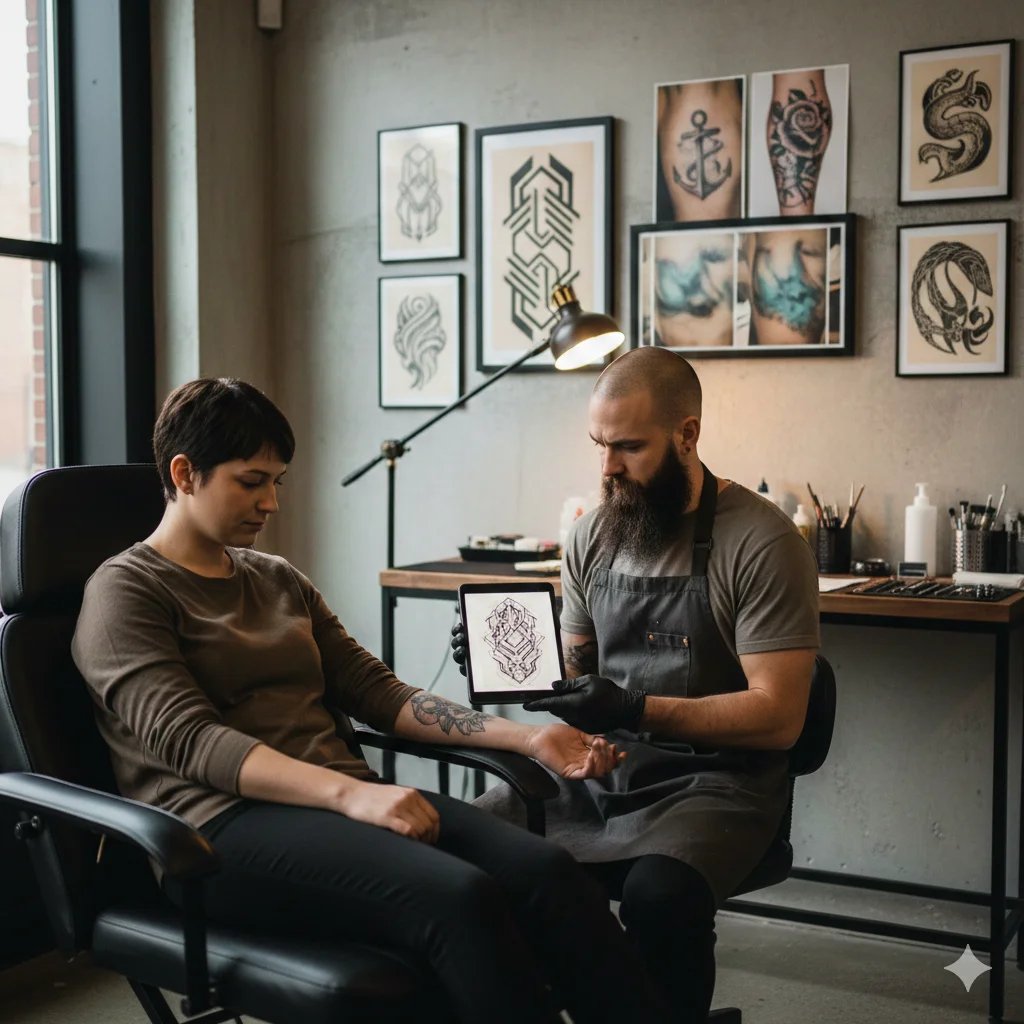
You should avoid impulsive decisions, copied designs, poor placement choices, and elements that won't age well on skin. These common mistakes lead to regret, costly cover-ups, and tattoos that lose their impact over time. At Here Tattoo in Brooklyn, NY, we see clients weekly who wish they'd known these pitfalls beforehand.
Your tattoo tells a permanent story on your body. The wrong design choice today becomes tomorrow's laser removal appointment. Understanding what to avoid saves you money, pain, and disappointment.
In this blog, we will explain what to avoid in tattoo design and how to create lasting artwork you'll love. You'll learn about concept mistakes, aging factors, placement errors, and working effectively with your artist.
Concept and Idea Mistakes to Avoid in Tattoo Design
Strong tattoos start with solid concepts. Rushing this foundation creates problems that no amount of artistic skill can fix. Your idea needs time to develop before it becomes permanent.
Impulsive or Trend-Driven Decisions
That viral tattoo style flooding your feed right now? It might feel dated within two years. Trends cycle fast in tattoo culture. What feels fresh today often becomes the tribal armband of tomorrow.
We recommend sitting with your idea for at least three months. If you still love it after that waiting period, it's likely a keeper. Quick decisions made during emotional highs often lead to regret. Your tattoo should reflect lasting values, not temporary moods.
Symbols or Imagery With Misunderstood Meaning
Cultural symbols carry deep significance that Pinterest boards don't explain. Sacred imagery from traditions you don't practice can be offensive and inappropriate. Religious symbols, tribal patterns, and cultural icons deserve research and respect.
Before committing to any symbol, understand its full context. Ask yourself if you have a genuine connection to its meaning. A beautiful design loses its appeal when you learn it represents something you didn't intend.
Designs Lacking Long-Term Personal Relevance
Your favorite band at 22 might embarrass you at 42. Pop culture references, inside jokes, and relationship tributes often lose meaning over time. Consider how your life might change in the coming decades.
Choose imagery that connects to core aspects of your identity. Family heritage, personal values, and transformative experiences tend to age better than temporary interests. Your future self will thank you for thinking ahead.
Originality and Ethical Issues in Tattoo Design
Your tattoo should be uniquely yours. Copying creates problems for everyone involved. Original work carries more meaning and avoids uncomfortable situations.
Copying Existing Tattoos or Online Images
Bringing another person's tattoo to your artist puts them in a difficult position. That design belongs to someone else's story and body. Reputable artists will decline to replicate another artist's custom work.
Use reference images for inspiration, not duplication. Share the elements you love and let your artist create something original. This approach respects the tattoo community and gives you a one-of-a-kind piece.
Overused or Generic Tattoo Concepts
Infinity symbols, dandelions turning into birds, and anchor-compass combinations flood tattoo shops daily. These designs lack the personal touch that makes tattoos meaningful. Generic concepts often lead to generic regret.
Push beyond the first idea that comes to mind. Work with your artist to develop something that reflects your specific story. A custom design costs the same as a copied one but carries far more significance.
Designs That Ignore Personal Context
Your tattoo exists on your body, within your life. A design that ignores your skin tone, existing tattoos, or lifestyle misses the mark. Context matters as much as the artwork itself.
Consider how this piece fits your overall aesthetic. Think about your career, relationships, and daily activities. A cohesive approach creates better results than random, disconnected pieces.
Design Choices That Don't Age Well
Skin changes over time. Your tattoo needs to survive decades of stretching, sun exposure, and cellular turnover. Smart design choices today prevent blurry messes tomorrow.
Excessive Detail That Loses Clarity
Intricate micro-details look stunning in photos but often blur together within years. Skin isn't paper. It moves, stretches, and regenerates constantly. Fine details merge into muddy patches over time.
Your artist should simplify complex designs for skin application. Trust their experience with how tattoos age. A slightly bolder approach now means clearer artwork for decades to come.
Fine Lines and Low-Contrast Elements
Single-needle fine line tattoos have exploded in popularity recently. However, these delicate lines often fade faster than traditional work. Low contrast between elements makes designs harder to read as they age.
Build adequate contrast into your design from the start. Slightly thicker lines and stronger value differences maintain readability. Your tattoo should look good at arm's length, not just in macro photography.
Color Choices That Fade Unevenly
Not all ink colors age equally. Yellows, light blues, and pastels fade faster than blacks and dark blues. White ink often disappears entirely within a few years. Understanding color longevity helps you plan accordingly.
Discuss color choices with your artist before your session. They can recommend palettes that maintain vibrancy longer. Strategic color placement keeps your tattoo looking fresh for years.
Placement Mistakes That Affect Longevity and Comfort
Where you put your tattoo matters as much as what you put there. Poor placement leads to distortion, fading, and awkward compositions. Your body's geography affects every design decision.
Areas Prone to Stretching or Distortion
Weight fluctuations, pregnancy, and aging affect certain body areas more than others. Stomachs, inner arms, and thighs stretch significantly over time. Designs in these areas can warp beyond recognition.
Choose placement that accounts for your body's likely changes. Discuss your lifestyle and future plans with your artist. Strategic placement protects your investment in permanent artwork.
High-Friction or Fast-Fading Locations
Hands, feet, and finger tattoos face constant friction and sun exposure. These areas require frequent touch-ups to maintain appearance. Palm tattoos often fade within months of application.
Understand the maintenance commitment before choosing high-wear locations. Some placements require ongoing investment to look their best. Factor touch-up costs into your decision-making process.
Placement That Disrupts Natural Body Flow
Your body has natural lines and curves that affect how tattoos read. Fighting against your anatomy creates awkward compositions. Designs should complement your body's shape, not compete with it.
Work with your artist to find placement that enhances both the design and your physique. Let your body's contours guide the artwork's flow. This collaborative approach creates more harmonious results.
Typography and Text Errors in Tattoo Design
Text tattoos carry unique risks that imagery doesn't face. Spelling errors, poor font choices, and translation mistakes create permanent embarrassment. Words require extra attention and verification.
Fonts That Sacrifice Readability
Decorative scripts and elaborate fonts often become illegible on skin. What reads clearly on a computer screen may blur into confusion as a tattoo. Readability should always trump aesthetics for text work.
Choose fonts with adequate letter spacing and stroke weight. Test readability at various distances before committing. Your meaningful quote loses impact if nobody can read it.
Misspellings and Poor Grammar
Tattoo artists are visual artists, not editors. Spelling verification falls on you, the client. Triple-check every letter before your appointment. Have multiple people review your text.
Common errors include missing letters, incorrect apostrophes, and wrong word choices. "Your" versus "you're" mistakes live forever on skin. Take responsibility for proofreading your permanent words.
Foreign Languages Without Full Understanding
That beautiful Japanese kanji might not mean what you think. Online translators make errors that native speakers immediately recognize. Foreign text tattoos often become sources of embarrassment.
Consult native speakers or professional translators before committing to foreign language tattoos. Verify meaning, context, and cultural appropriateness. A few hours of research prevents a lifetime of regret.
Choosing Designs That Don't Match Artist Strengths
Every tattoo artist has specialties and limitations. Matching your design to the right artist ensures the best possible outcome. Ignoring this reality leads to disappointing results.
Selecting Styles Outside an Artist's Expertise
A photorealistic portrait artist may struggle with traditional American style. A blackwork specialist might not excel at watercolor techniques. Artists develop expertise through years of focused practice.
Research your artist's portfolio thoroughly before booking. Look for consistent quality in your desired style. The right artist for your friend's tattoo might not be right for yours.
Expecting Exact Replication of Another Artist's Work
Each artist brings unique interpretation to their work. Expecting one artist to perfectly copy another's style sets everyone up for failure. Artistic voice matters in tattoo execution.
Choose artists whose natural style aligns with your vision. Let them bring their expertise to your concept. This approach produces better tattoos than forced replication attempts.
Ignoring Professional Design Feedback
Your artist sees things you might miss. Their experience with how designs age, read, and wear gives them valuable perspective. Dismissing their input often leads to preventable problems.
Listen when your artist suggests modifications. They want your tattoo to succeed as much as you do. Collaboration between client vision and artist expertise creates the best outcomes.
Budget-Driven Design Mistakes to Avoid in Brooklyn, NY
Quality tattoos require appropriate investment. Cutting corners on budget often costs more in the long run. Brooklyn's tattoo scene offers options at every price point, but value matters more than price.
Designs That Require Costly Rework
Cheap tattoos often need expensive fixes. Poor line work, uneven shading, and blown-out details require cover-ups or laser removal. The initial savings disappear quickly when corrections become necessary.
Invest appropriately from the start. A well-executed tattoo costs less over its lifetime than a cheap one requiring multiple fixes. Quality work from skilled artists holds up for decades.
Overcomplicating Small or Low-Budget Tattoos
Cramming complex designs into small spaces or tight budgets creates problems. Details get lost, compositions feel cramped, and execution suffers. Simpler designs often make stronger statements.
Match your design complexity to your budget and available space. A clean, well-executed simple design beats a cramped, compromised complex one. Less can absolutely be more in tattoo design.
Sacrificing Longevity to Reduce Upfront Cost
Skipping quality ink, rushing sessions, or choosing inexperienced artists saves money today but costs more tomorrow. Faded, blown-out tattoos require expensive corrections. Short-term savings create long-term expenses.
View your tattoo as a lifetime investment. Calculate the cost per year of ownership, not just the initial price. Quality work from experienced artists provides better value over time.
Local Lifestyle and Environmental Factors to Consider in Brooklyn, NY
Brooklyn living affects your tattoo differently than other locations. Urban lifestyle, climate, and professional environment all influence design and placement decisions. Local context matters for lasting satisfaction.
Clothing, Movement, and Daily Wear Conflicts
Your daily wardrobe affects tattoo visibility and wear. Tight clothing creates friction that accelerates fading. Consider how your typical outfits interact with potential placements.
Brooklyn's active lifestyle means movement and sweat. Placements that rub against bags, straps, or clothing need extra consideration. Think through your typical day before finalizing placement.
Sun Exposure and Outdoor Lifestyle Impacts
Brooklyn summers mean rooftop gatherings, park days, and outdoor activities. Sun exposure fades tattoos faster than almost anything else. Placement and aftercare must account for your outdoor habits.
Consider how often potential placement areas see direct sunlight. Commit to consistent sunscreen application on exposed tattoos. Protecting your investment requires ongoing attention to sun exposure.
Urban Work and Visibility Considerations
Brooklyn's diverse professional landscape includes both tattoo-friendly and conservative workplaces. Consider your career trajectory when choosing visible placements. What works for your current job might limit future opportunities.
Discuss visibility concerns honestly with your artist. Strategic placement allows you to show or hide tattoos as situations require. Planning ahead preserves your professional flexibility.
Key Takeaways
- Wait at least three months before committing to any tattoo concept
- Research cultural symbols thoroughly before using them in designs
- Choose designs that will remain meaningful decades from now
- Avoid copying other people's tattoos or generic online images
- Select placement that accounts for body changes and daily wear
- Triple-check all text for spelling, grammar, and accurate translation
- Match your design style to your chosen artist's expertise
- Invest in quality work rather than cutting corners on budget
- Consider Brooklyn's climate and lifestyle in placement decisions
Conclusion
Smart tattoo decisions prevent lifetime regret. Understanding what to avoid helps you create meaningful artwork that ages beautifully on your skin. Every choice matters when the result is permanent.
At Here Tattoo in Brooklyn, we guide clients through these decisions daily. Our custom design process addresses all these concerns before ink touches skin. We believe collaboration creates the best tattoos.
We help you avoid common mistakes and create tattoos you'll love forever. Schedule a consultation to discuss your ideas with our experienced team. Your perfect tattoo starts with the right guidance.
FAQs
How long should I wait before getting a tattoo I'm considering?
We recommend waiting at least three months with any tattoo idea. This cooling-off period helps distinguish lasting desires from temporary impulses. Ideas that still excite you after three months typically lead to satisfying tattoos.
Can I bring a photo of someone else's tattoo to my artist?
Use photos for inspiration, not replication. Ethical artists won't copy another artist's custom work directly. Share elements you love and collaborate on an original design that's uniquely yours.
What tattoo placements fade the fastest?
Hands, feet, fingers, and inner lips fade fastest due to friction and cell turnover. These areas require frequent touch-ups to maintain appearance. Consider maintenance commitment before choosing high-wear locations.
How do I know if my artist is right for my design style?
Review their portfolio extensively for consistent quality in your desired style. Look for healed tattoo photos, not just fresh work. Artists excel in styles they practice regularly.
What's the biggest mistake first-time tattoo clients make?
Rushing the decision-making process causes the most regret. First-timers often underestimate how permanent tattoos really are. Taking time with concept, placement, and artist selection prevents disappointment.
How can I make sure my text tattoo is spelled correctly?
Triple-check spelling yourself, then have multiple others verify. Use dictionaries, not just spell-check. For foreign languages, consult native speakers or professional translators before your appointment.
Do color tattoos really fade faster than black ink?
Yes, lighter colors like yellow, light blue, and white fade faster than black and dark blue. Sun exposure accelerates color fading significantly. Discuss color longevity with your artist when planning your design.